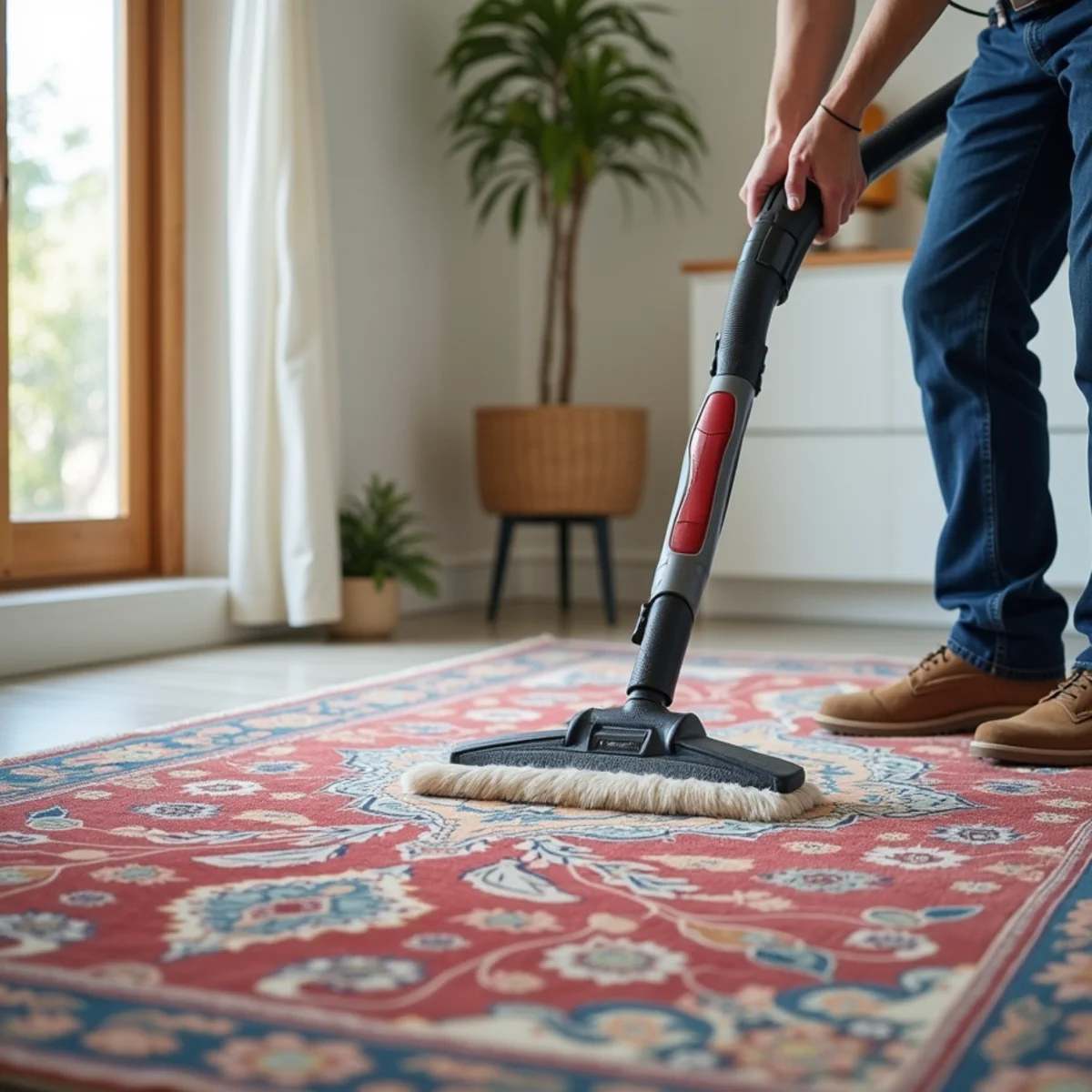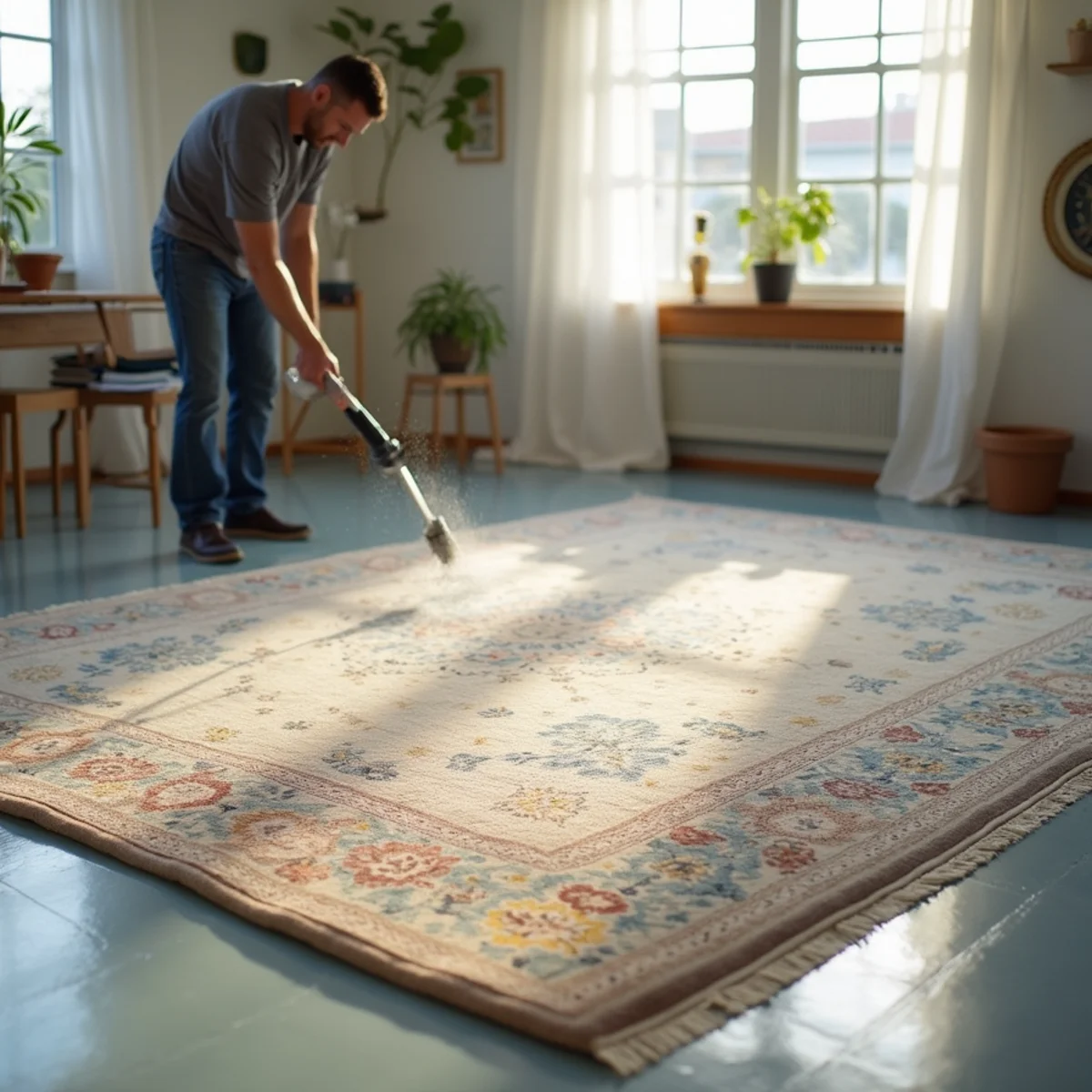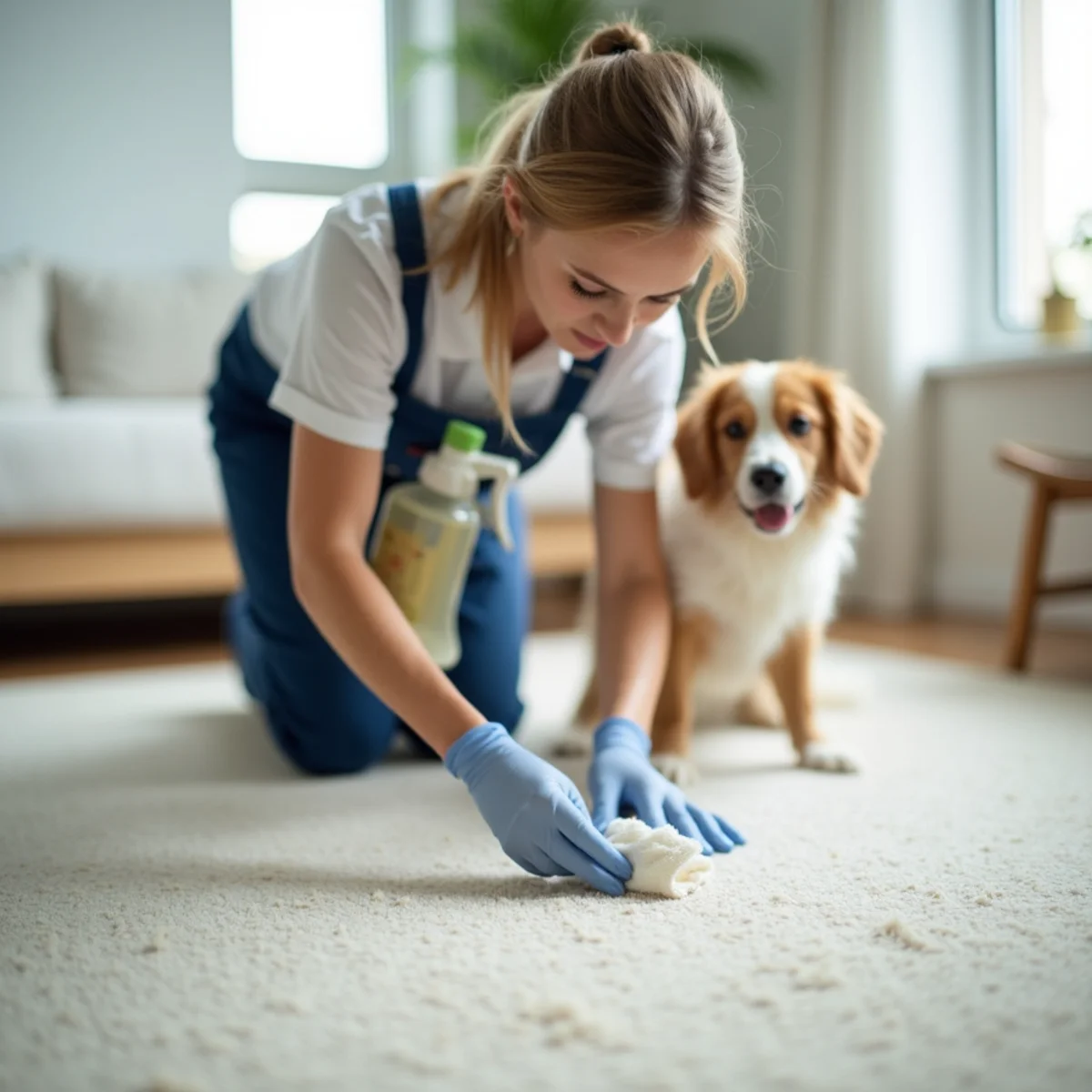
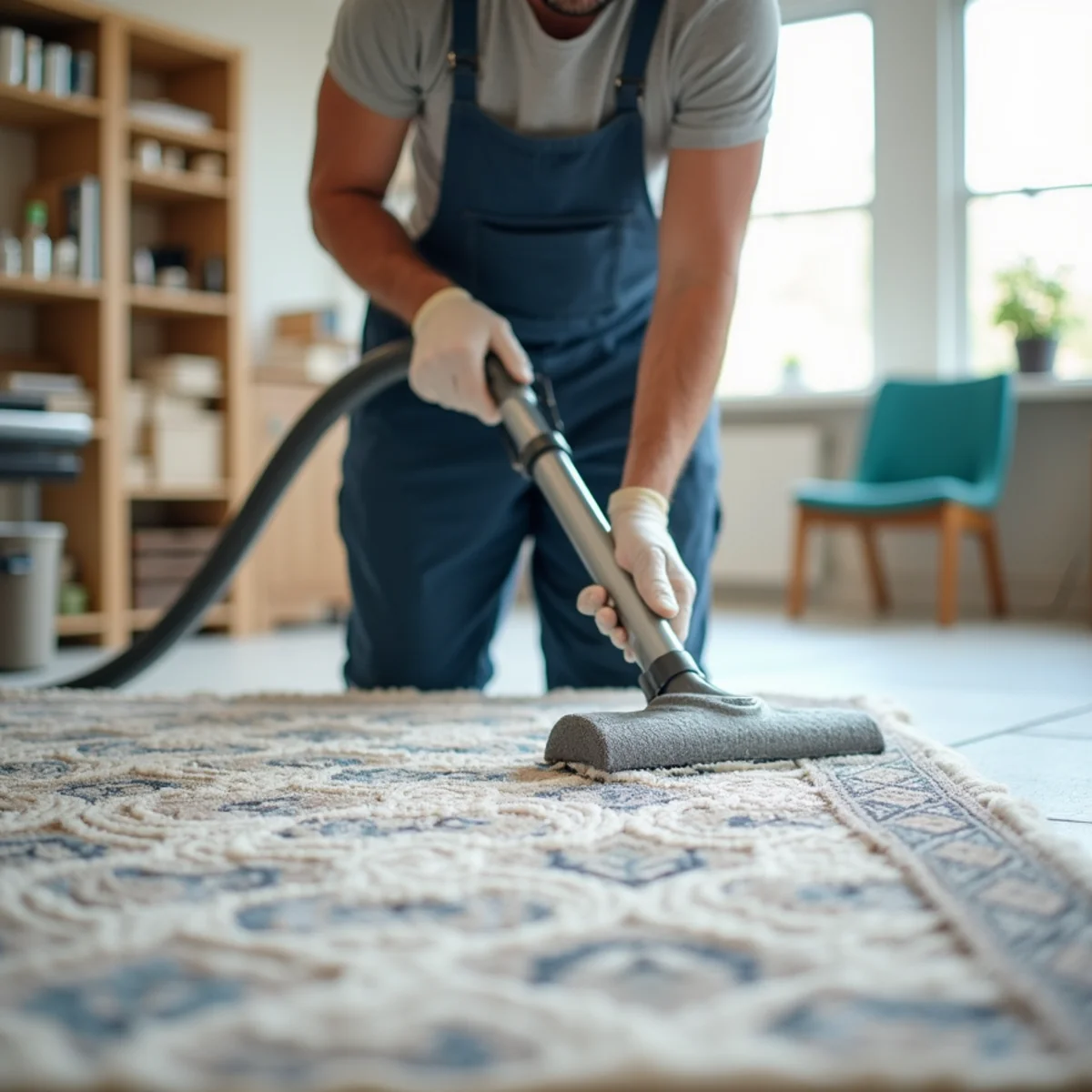
Your rug carries the whole story of your home — sandy footprints from the beach, the spot where the dog naps, the splash from last weekend's dinner. Living near the Oceanside coast adds a twist most cleaners ignore: fine beach sand and salt work their way deep into the pile, salt air keeps fibers damp, and the ocean humidity can leave even a beautiful wool rug smelling musty. A quick vacuum never reaches that buried grit.
Always Rug & Upholstery Cleaning is a genuinely local team that has cleaned hundreds of Oceanside homes. We treat an everyday machine-made area rug differently than a hand-knotted Persian or a delicate silk piece, because the wrong method can shrink, fade, or bleed a rug you love. Our cleaning is eco-friendly and non-toxic, safe for kids and pets, and most rugs are dry to the touch in a reasonable window (drying time varies based on fiber, airflow, and humidity).
Owner Austin and lead technician Cesar walk every job the same way: inspect first, explain what your rug needs, and quote it up front with no hidden fees. Whether you need a single area rug refreshed or a water-damaged heirloom restored, you'll know exactly what you're getting before we start. Call us at +1 (216) 483-2200 for a free quote.
Local Rug Cleaning Built for Oceanside's Coastal Climate
Rug cleaning in Oceanside, CA isn't the same job as it is fifty miles inland, and that's exactly why an out-of-area crew often gets it wrong. Our coastline pushes a constant supply of fine beach sand and salt into homes. That grit settles to the very base of a rug, below where any household vacuum reaches, and acts like sandpaper every time someone walks across it — slowly cutting the fibers from the bottom up. Salt is hygroscopic, meaning it pulls and holds moisture, so a rug near the water stays damp longer and is far more prone to that musty ocean-air smell.
We see this every week across Oceanside's beachside condos, family homes, rentals, and move-outs near Camp Pendleton. Pets, kids, sandy flip-flops, and humid evenings all compound the problem. Because we live and work here, we build every cleaning around those real local conditions instead of a one-size-fits-all template — which is something a 50-mile-away company simply can't claim honestly.
The payoff is a rug that not only looks clean but is genuinely cleaner at the foundation: sand and salt extracted, odors neutralized, and the pile groomed so it lies the way it should.
Rug Types We Clean — and Why Fiber Matters
The single most important factor in cleaning a rug safely is knowing what it's made of and how it was built. A nylon area rug from a big-box store can take a vigorous hot water extraction; an antique hand-knotted Oriental or a silk rug cannot. We identify the fiber and construction before any water or solution touches your rug.
Hand-knotted and hand-washed rugs — true Persian and Oriental pieces — are durable but require gentle, controlled methods and careful attention to their natural dyes. Machine-made rugs are generally more forgiving and often clean well in the home. The difference in approach is the difference between a rug that comes back beautiful and one that's damaged.
- Wool — durable and naturally stain-resistant, but sensitive to high heat, harsh alkaline products, and over-wetting that can cause shrinkage or browning
- Silk and viscose (art silk) — delicate, prone to color change and texture damage; handled with low-moisture, specialty methods only
- Persian & Oriental (hand-knotted) — cleaned with attention to dye stability and fringe; never aggressively scrubbed
- Cotton — absorbent and prone to shrinkage and dye bleed, so moisture is carefully controlled
- Jute, sisal, and other plant fibers — very moisture-sensitive and usually cleaned with low-moisture techniques
- Synthetics (nylon, polyester, polypropylene) — the most forgiving, well-suited to thorough hot water extraction
Flagship Persian, Oriental & Water-Damaged Rug Restoration
Most cleaners in Oceanside will run a wand over your rug and call it done. We go further with a true rug restoration service for valuable, antique, and damaged pieces — the kind of work no other local company productizes. When a rug is too delicate, too soiled, or too damaged for an in-home clean, we offer pickup so it can be properly evaluated and restored.
The restoration path is straightforward and transparent: we pick up the rug, evaluate its fiber, construction, dyes, and damage, perform a thorough dry-soil removal (dusting) to release embedded grit, deep clean and sanitize using the gentlest effective method, address odors at the source, and handle finishing work like re-fringing and minor repairs where needed.
Water-damaged rugs get special care. Flooding, leaks, and long-term coastal humidity can lead to mold, mildew, dye bleed, and a smell that won't quit. We dry the rug correctly, treat mildew, work to control color migration, and deodorize so an heirloom you thought was ruined often has real life left in it. Many issues can be improved or fully resolved depending on the rug's age, fiber, and how long the damage sat.
What's Included: The Coastal Clean 5-Step Process
Every rug we clean goes through the same proven sequence, so nothing gets skipped. It's the process that lets us safely handle everything from a synthetic runner to a hand-knotted Persian.
You'll see each step, and on in-home jobs we walk you through the rug together at the end so you can point out anything you want a second look at.
- Inspect — identify fiber, construction, dyes, age, and problem areas; run a dye-stability test on delicate or hand-knotted rugs before any cleaning
- Identify & Pre-Treat — match the right solution to the fiber and pre-treat stains, traffic lanes, and pet spots so soil releases gently
- Deep Clean — hot water extraction for sturdy fibers, or careful low-moisture and hand methods for wool, silk, and antiques
- Extract & Deodorize — pull out loosened soil, salt, and moisture, then deodorize to neutralize odors at the source rather than masking them
- Dry, Groom & Walk-Through — control drying, groom the pile so it sits correctly, and review the finished rug with you
In-Home Cleaning vs. In-Plant Pickup & Delivery
Not every rug should be cleaned the same place. Part of doing this right is being honest about which method your rug needs, and we'll tell you up front.
In-home cleaning is convenient and a great fit for many synthetic and lightly soiled area rugs, larger room-size rugs that are awkward to move, and situations where you'd rather not part with the rug. We bring professional equipment to you and keep moisture controlled for our humid coastal homes.
In-plant pickup-and-delivery washing is the safer choice for hand-knotted Persian and Oriental rugs, silk, heavily soiled or pet-affected rugs, and anything with water damage or mildew. Off-site, a rug can get a full dry-soil dusting, a controlled wash, a thorough rinse, and proper drying that simply can't be replicated on a living-room floor. We pick up, do the work, and deliver it back to you clean.
Pet Urine and Odor Removal From Wool and Oriental Rugs
Pet accidents are one of the most common reasons Oceanside homeowners call us — and one of the most misunderstood. When urine dries, it leaves behind uric acid crystals bonded deep in the fibers and foundation. Ordinary cleaning can temporarily mask the smell, but humidity (which we have plenty of near the coast) reactivates those crystals and the odor comes right back.
The real fix is breaking down the crystals, not covering them. We use enzyme-based treatments that target uric acid at the source, followed by extraction and deodorizing. On wool, silk, and Oriental rugs this has to be done carefully — the same harsh products that kill odor on a synthetic can damage natural fibers and dyes. Severe or long-standing contamination may need the rug handled in-plant for full saturation and rinsing.
We'll always be straight with you about what's realistic. Many pet odors can be fully removed; deeply set, repeated accidents that reached the backing are tougher, and we'll tell you what to expect before we begin.
DIY vs. Professional Rug Cleaning — and Why It Matters
Renting a steam machine or scrubbing a spot by hand feels like a money-saver, but with rugs it's where a lot of expensive damage happens. The biggest risk is over-wetting. Too much water in a wool, cotton, silk, or viscose rug can cause shrinkage, browning, dye bleed where colors run into each other, and mildew if the rug can't dry fast enough — a real danger in our damp coastal air.
Steam cleaning a synthetic area rug at home can be fine in moderation. Steam cleaning a wool or silk rug, or any hand-knotted piece, is risky: the heat and saturation that work on polyester can permanently harm delicate natural fibers and unstable dyes. Harsh grocery-store spot removers can also strip color or set a stain worse than before.
Professional cleaning isn't just stronger equipment — it's knowing how much moisture each fiber can take, testing dyes before cleaning, and controlling drying. For anything valuable, delicate, or heavily soiled, that knowledge is what protects the rug.
Beach Sand & Salt Extraction and How Often to Clean
Because coastal grit is the hidden rug-killer in Oceanside, we offer a dedicated Beach Sand & Salt Extraction add-on. Before we wash, we focus on releasing and removing the embedded sand and salt at the base of the pile — the abrasive layer that wears fibers down and the salt that keeps a rug damp and musty. Pulling that out first protects the rug long after we leave.
As a general guide, area rugs benefit from professional cleaning every 12 to 18 months. But coastal homes aren't general. If you have pets, kids, allergies, or you're close to the beach with regular sand and salt-air exposure, every 6 to 12 months keeps fibers from grinding down and odors from settling in. High-traffic rugs and entryway pieces near the sand may need it more often.
Beyond appearance, regular cleaning may help reduce the dust, allergens, and buildup that collect in rug fibers over time. We won't make medical claims, but a clean rug is a fresher starting point for the air in your home.
What Rug Cleaning Solves
- Embedded beach sand and salt grinding down rug fibers from the base
- Musty, mildew-like odors from coastal humidity and trapped moisture
- Pet urine stains and odors that keep returning in damp weather
- Food, drink, and everyday spills set into wool, silk, or synthetic fibers
- Water damage and mildew on rugs from leaks, floods, or long-term humidity
- Faded, dull, or matted pile that a household vacuum can't restore
- Worn fringe and minor damage on Persian and Oriental rugs
- Dust and allergen buildup collecting deep in rug fibers over time