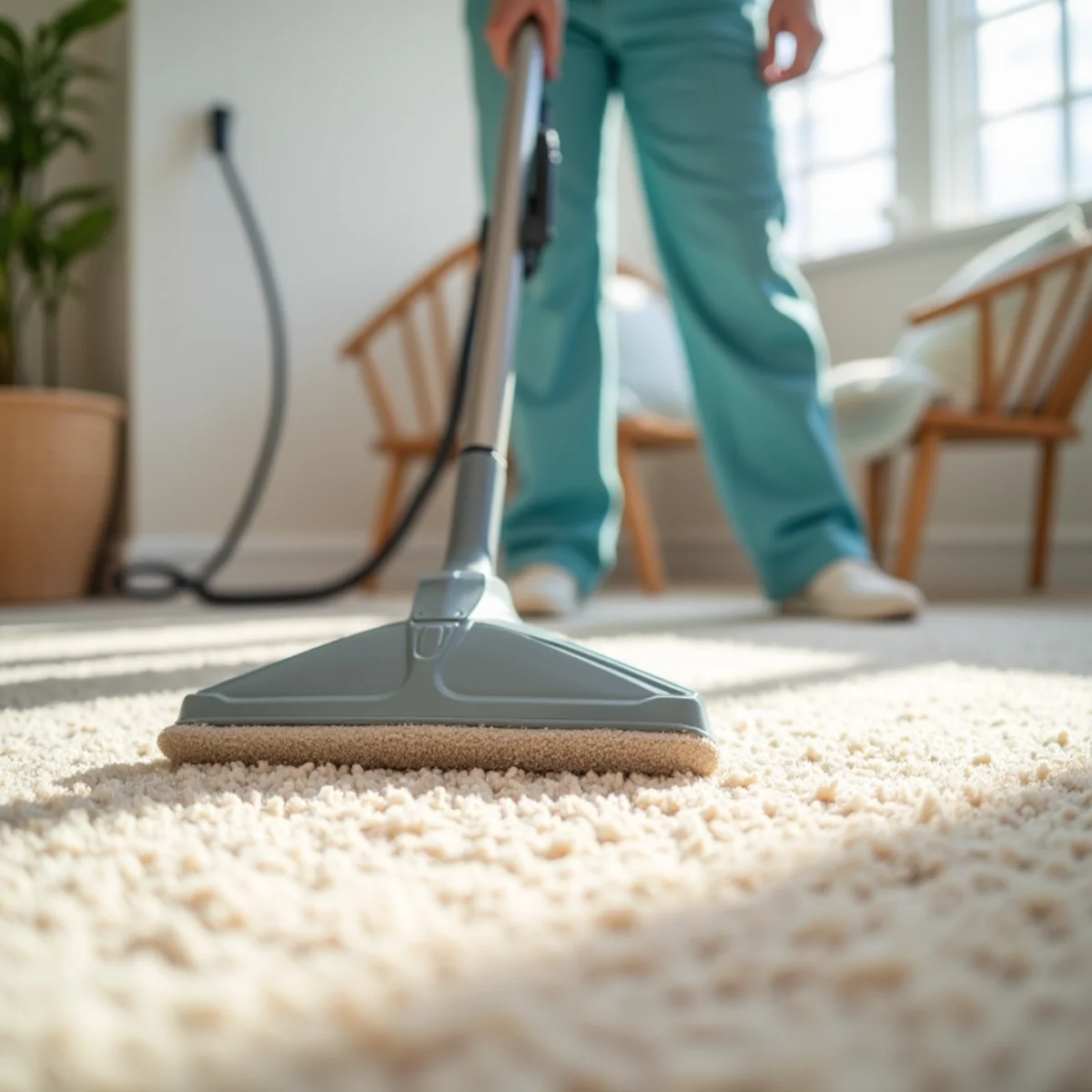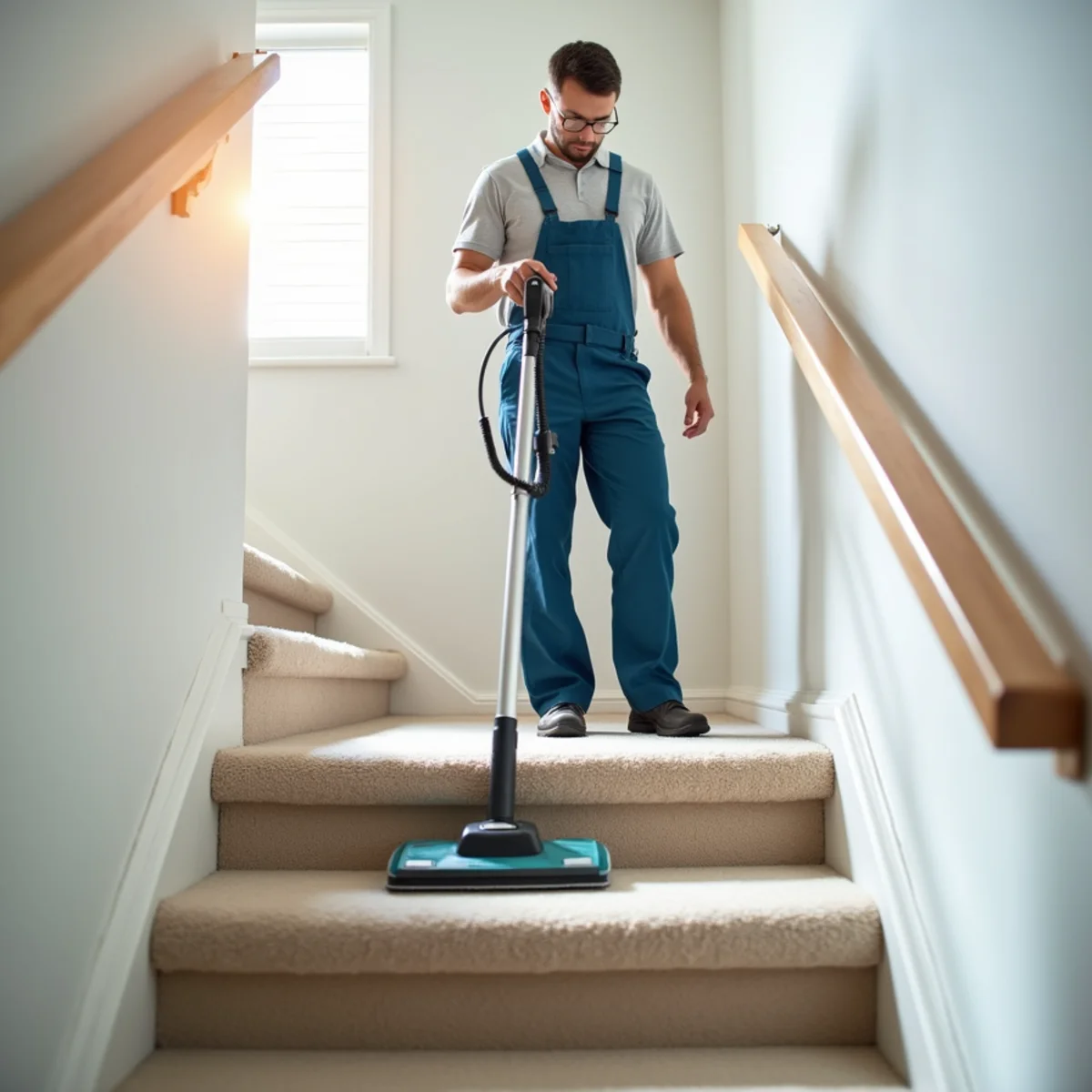
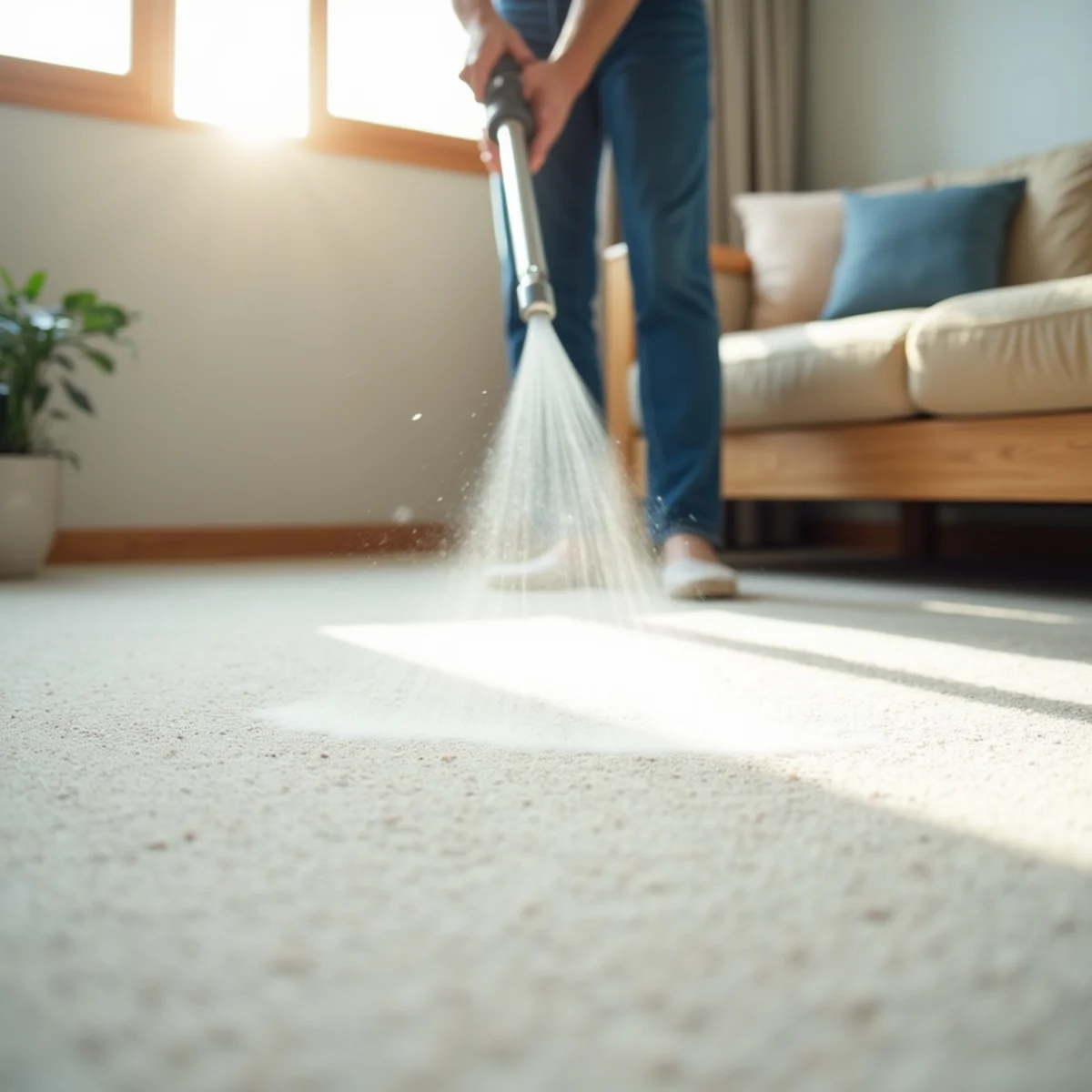
A clean carpet looks great. Keeping it that way is the next step. Carpet protection is a fiber treatment applied right after a deep cleaning that coats each strand and helps it shrug off spills, dirt, and the gritty coastal sand that gets tracked through Oceanside homes every single day.
Living near the beach is hard on carpet. Fine sand and salt work down into the pile and act like sandpaper, grinding at the fibers every time someone walks across them. Spills from kids and pets soak into bare fiber fast. A fresh coat of carpet protector buys you time. When something gets dropped, it tends to bead up and sit on top instead of sinking in, which gives you a real chance to blot it before it sets.
Always Rug & Upholstery Cleaning is a genuinely local team, and we've protected carpet in hundreds of homes across Oceanside and North County San Diego. We apply protector after a thorough clean because the treatment bonds best to clean, dry fibers, and it's safe for kids and pets once fully dry. Call (216) 483-2200 to add Carpet Protection in Oceanside CA to your next cleaning, and we'll explain exactly how it helps for your carpet and your household.
What Carpet Protection Is and How It Works
Carpet protection is a fiber protectant, sometimes called a fabric protector, that's sprayed onto carpet after cleaning to form an invisible barrier around each strand. The most common protectors use a fluoropolymer (the same family of fluorochemical technology behind name-brand treatments like Scotchgard and Teflon). They don't change how your carpet looks or feels. They lower the surface energy of the fiber so liquids and dry soil have a harder time grabbing on.
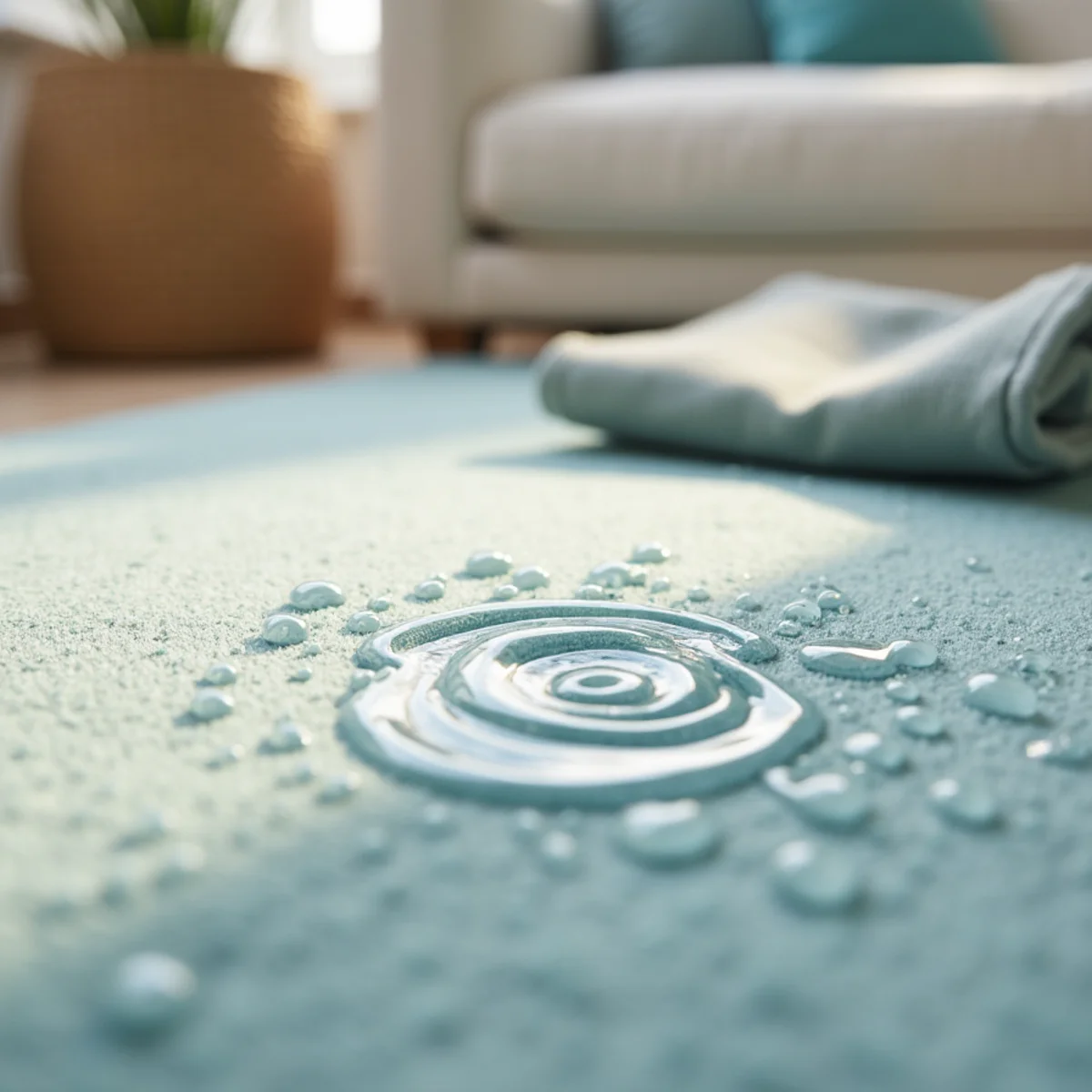
In plain terms, the treatment makes the fiber slippery to spills and dirt. Water-based spills bead up on the surface instead of wicking straight down into the pile, and dry soil like sand sits looser so it vacuums out more easily. That's the difference between repellency (liquids beading up) and stain resistance (the fiber fighting off the dye in a spill). A good protector does both: it repels liquids and it helps block the dye sites where a stain would otherwise lock in.
One thing worth being honest about up front: a protector is a surface energy barrier, not a force field. It buys you time and makes cleanup easier. It does not make carpet bulletproof, and it works best when you still blot spills quickly. We'd rather set that expectation clearly than oversell it.
Why Oceanside Carpets Need Protection More Than Most
Coastal living is beautiful and it's tough on carpet. Beach trips, salty ocean air, and steady foot traffic push fine sand and grit deep into the fibers, where it works like sandpaper against the pile. Every step grinds it in a little further. That's the slow, invisible wear that dulls color and flattens texture long before a carpet looks obviously dirty.
Then there's the humidity. Ocean air keeps moisture in the air and in soft surfaces, which is why so many coastal homes fight a faint musty smell. Carpet protector won't dehumidify your house, but by helping spills bead up and dry on the surface instead of soaking into the backing, it reduces the trapped moisture that feeds those odors.
We see the same story across Oceanside, Carlsbad, Vista, San Marcos, Encinitas, and the Camp Pendleton community: lots of pets, lots of kids, lots of rentals and move-outs, and carpet that takes a real beating. Protection is one of the most cost-effective ways to slow that wear and keep coastal carpet looking newer between professional cleanings. It pairs naturally with our Beach Sand & Salt Extraction add-on for homes right by the water.
Carpet Protection vs. Carpet Cleaning: Why Order Matters
Cleaning and protection are two different jobs, and the order matters. Cleaning lifts the soil that's already in your carpet. Protection helps keep new soil and spills from settling in. You want both, and you want them in the right sequence.
Protector has to bond to clean, dry-to-the-touch fiber. If it's sprayed over trapped dirt, it seals that soil in and the treatment doesn't grip the way it should. That's why we always deep clean first with hot water extraction, pull the moisture back out with our low-moisture finish, and only then apply the protector across the pile. Applied this way, it bonds evenly and lasts the way it's supposed to.
This is exactly why carpet protection is offered as an add-on right after a professional cleaning rather than as a standalone visit. You're already getting the carpet clean and dry, so adding protection in the same appointment is the most effective and most economical time to do it.
How Protection Performs by Carpet Fiber Type
Not all carpet is the same fiber, and protector behaves a little differently on each. Knowing your fiber helps set the right expectations.
Nylon and wool are dyed fibers with open dye sites, which makes them more vulnerable to staining from things like red drinks. They respond well to protectors that include acid dye blockers, which plug those dye sites so a spill can't grab color. Wool is a natural fiber and gets our gentlest treatment so the protector preserves the softness and the natural dyes.
Polyester, olefin (polypropylene), and triexta are naturally more stain-resistant to water-based spills, but they're oil-loving (oleophilic), so greasy and oil-based messes are their weak point. On these fibers, the oil-repellency side of a quality protector matters most. Whatever you've got underfoot, we identify the fiber during inspection and match the approach to it rather than treating every carpet the same.
- Nylon: takes dye-blocker protection well; benefits most from acid dye resistance against colored spills
- Wool: natural fiber, gentlest handling; protector helps guard delicate dyes and texture
- Polyester & triexta: good water-based stain resistance already; protector adds oil-repellency where they're weakest
- Olefin (polypropylene): common in rentals and basements; protector helps it resist oily soil and traffic-lane graying
Professional Application vs. Store-Bought Scotchgard
A can of protector off the shelf and a professional application are not the same thing, even when the active ingredient is similar. The difference is coverage, evenness, and durability.
A store-bought spray can only treat the tips of the fibers you can reach, and it's easy to apply too little in some spots and soak others. Pro-grade protector is applied with the right dilution and equipment in an even coat that's worked down into the pile, so each fiber gets coated rather than just the surface. Applied right after extraction, while the carpet is clean and warm, it bonds far better and lasts noticeably longer.
DIY can have its place for a quick touch-up on a small area, but for whole rooms, stairs, and high-traffic lanes, a professional application gives you more uniform protection that holds up to real life. We're also happy to tell you honestly when a DIY can would be fine and when it's worth doing professionally.
Carpet Protection for Pets, Kids, Rentals, and Move-Outs
The households that get the most out of protection are the busy ones. Pet owners deal with accidents that absorb deep into unprotected fiber, and protector gives you a window to blot before urine reaches the backing where odor takes hold. Families with young kids fight a steady stream of juice, food, and tracked-in dirt, and lighter carpet that shows every mark stays presentable longer with a treatment in place.
Oceanside has a lot of rentals, condos, apartments, and Camp Pendleton families on the move, and protection earns its keep there too. Renters use it to help keep carpet in deposit-worthy shape, and landlords and property managers use it to extend carpet life between tenants and reduce how fast traffic lanes gray out. It pairs well with our move-in and move-out cleaning when a unit is turning over.
Across all of these, the goal is the same: slow down resoiling, make spills easier to handle, and stretch more good years out of the carpet you already have.

Honest Expectations: Stain-Resistant, Not Stain-Proof
We'd rather you trust us than be surprised later, so here's the straight talk. Carpet protector makes carpet stain-resistant, not stain-proof. It repels water-based spills well and gives you time to react. It handles oil-based and greasy spills partially, since those are tougher across the board. And it slows resoiling, but it doesn't stop dirt forever.
The treatment also wears down over time. Foot traffic, vacuuming, professional cleaning, and UV exposure all gradually break the barrier down, which is normal and expected. High-traffic zones like stairs and entryways lose it faster than a guest room that rarely gets used.
None of that makes protection less worth it. It just means protection is a tool that works with good habits, not a replacement for them. Blot spills promptly, vacuum regularly, and keep up with professional cleaning, and a protected carpet stays cleaner and lasts longer than one without it.
How Often to Reapply Carpet Protector
Because protector wears down with use, it needs to be refreshed periodically to keep doing its job. As a practical rule, many homeowners reapply it with each professional cleaning, which usually lands somewhere in the range of every six to twelve months depending on the household.
High-traffic areas wear faster and may benefit from more frequent attention than bedrooms or formal rooms that see light use. Pets, kids, and proximity to the beach all push the reapplication schedule sooner. Lighter, less-used carpet can go longer between treatments.
Manufacturers of many carpets actually recommend keeping a protectant in place as part of caring for the carpet, and some warranties reference it. We'll look at how your home actually lives and suggest a sensible, no-pressure schedule rather than a one-size-fits-all answer.
Booking, Drying Time, and What to Expect on the Day
Adding carpet protection to your appointment is simple. We clean the carpet first, let it reach dry-to-the-touch, then apply the protector in an even coat across the pile and groom it so it sits right. We'll point out the high-traffic zones, like stairs and hallways, that get a heavier application because they take the most abuse.
After protector goes down, the carpet needs to dry fully before normal foot traffic. Most carpets are ready in about 2 hours, though drying time varies based on carpet type, airflow, humidity, and the cleaning needs of the job. Good airflow and a fan or two help it along, which matters on Oceanside's humid days. We'll tell you exactly when each area is ready to walk on.
We serve Oceanside and the surrounding North County communities and offer same-week availability in most cases. Call (216) 483-2200, tell us about your carpet and your household, and we'll fold protection into your cleaning with clear, no-hidden-fees pricing.
What Carpet Protection Solves
- Coastal sand and grit grinding down and dulling carpet fibers
- Spills soaking in and setting before you can blot them
- Fast resoiling in high-traffic stairs, hallways, and living areas
- Pet accidents absorbing deep into unprotected fiber and reaching the backing
- Light-colored carpet showing every mark and traffic lane quickly
- Premature wear shortening the lifespan of newer or freshly cleaned carpet
- Oil-based and greasy spills locking into stain-prone polyester and olefin
- Musty coastal odors fed by moisture trapped in the carpet backing