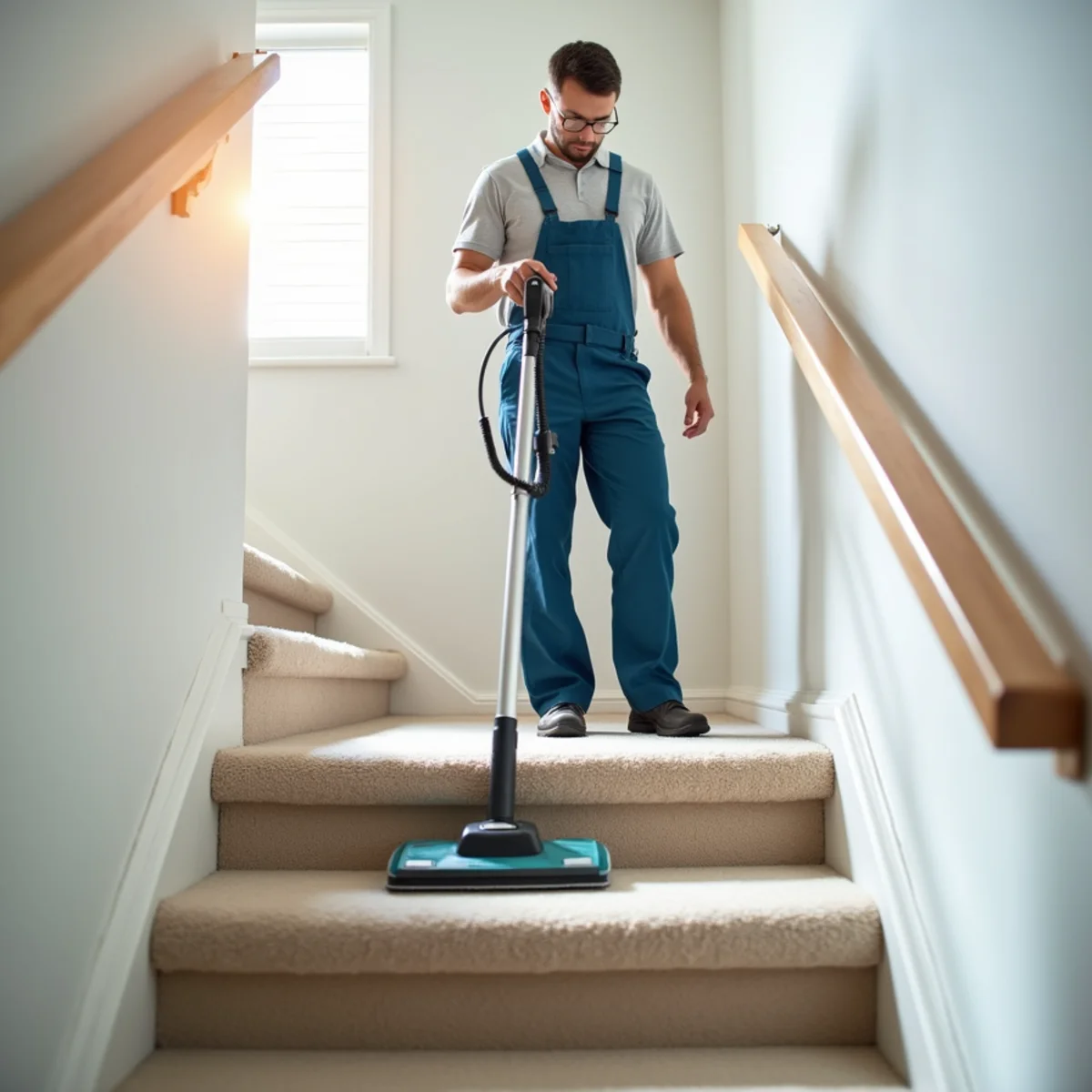
Your stairs and hallways work harder than any carpet in the house. Every trip from the front door, every kid heading to bed, every pet padding down the hall lands on the same narrow strip of fiber. In Oceanside, those steps also catch the gritty beach sand and salt that ride in on shoes and paws, grinding into the pile and dulling the color long before the rest of your carpet looks tired.
That's why traffic lanes on stairs go dark and matted first. The good news: most of that "wear" is actually trapped soil, body oils, and crushed pile that professional cleaning can lift and revive. At Always Rug & Upholstery Cleaning, we've deep-cleaned stairs and hallways in hundreds of Oceanside homes, condos, and rentals, and we treat these high-traffic zones as their own job, not an afterthought tacked onto a room count.
We use a hot water extraction and low-moisture finish that's tough on ground-in grit but gentle on your fibers, with eco-friendly, kid- and pet-safe solutions throughout. Most carpets dry in about two hours, so your busiest walkway is back in service fast. Want it handled this week? Call Austin and the team at (216) 483-2200.
Why Stairs and Hallways Get Dirty Faster Than the Rest of Your Home
Walk through any house and you'll see it: the bedrooms still look fresh while the stairs and hallway runner have gone gray down the middle. This isn't your imagination, and it usually isn't permanent damage. High-traffic areas concentrate everything that wears carpet down into a narrow path. Every footstep grinds in grit, deposits body oils, and crushes the carpet pile a little flatter.
Three forces team up on staircases in particular. First, abrasion: sand and dry soil act like sandpaper, scratching the fiber and scattering light so the carpet reads darker, the effect we call traffic-lane darkening. Second, oils: the natural oils from feet and pet paws coat the fibers and make them attract even more dirt. Third, fiber crushing and matting: constant pressure flattens cut pile and loop pile alike, so the surface no longer bounces light back evenly.
In Oceanside, the coast adds two more culprits. Beach sand and salt hitchhike indoors and settle into stair treads and hallway corners, accelerating that abrasive wear. And the humid ocean air keeps everything slightly damp, which locks odors and soil into the fibers and can leave a musty smell in enclosed stairwells. You may also notice dark lines along the edges and baseboards, called filtration soiling, where air pushes fine dust through the carpet at the wall line.
What's Included in Our Stairs & Hallway Carpet Cleaning
Stairs are detailed work. A staircase has far more surface and angles than an open room of the same square footage, so we clean it piece by piece rather than rushing a wand across it. Here's what a full stairs and hallway service covers.
- Thorough vacuuming and pre-inspection of every tread, riser, landing, and the full length of the hallway
- Targeted pre-treatment and agitation on traffic lanes, edges, corners, and around spindles and balusters
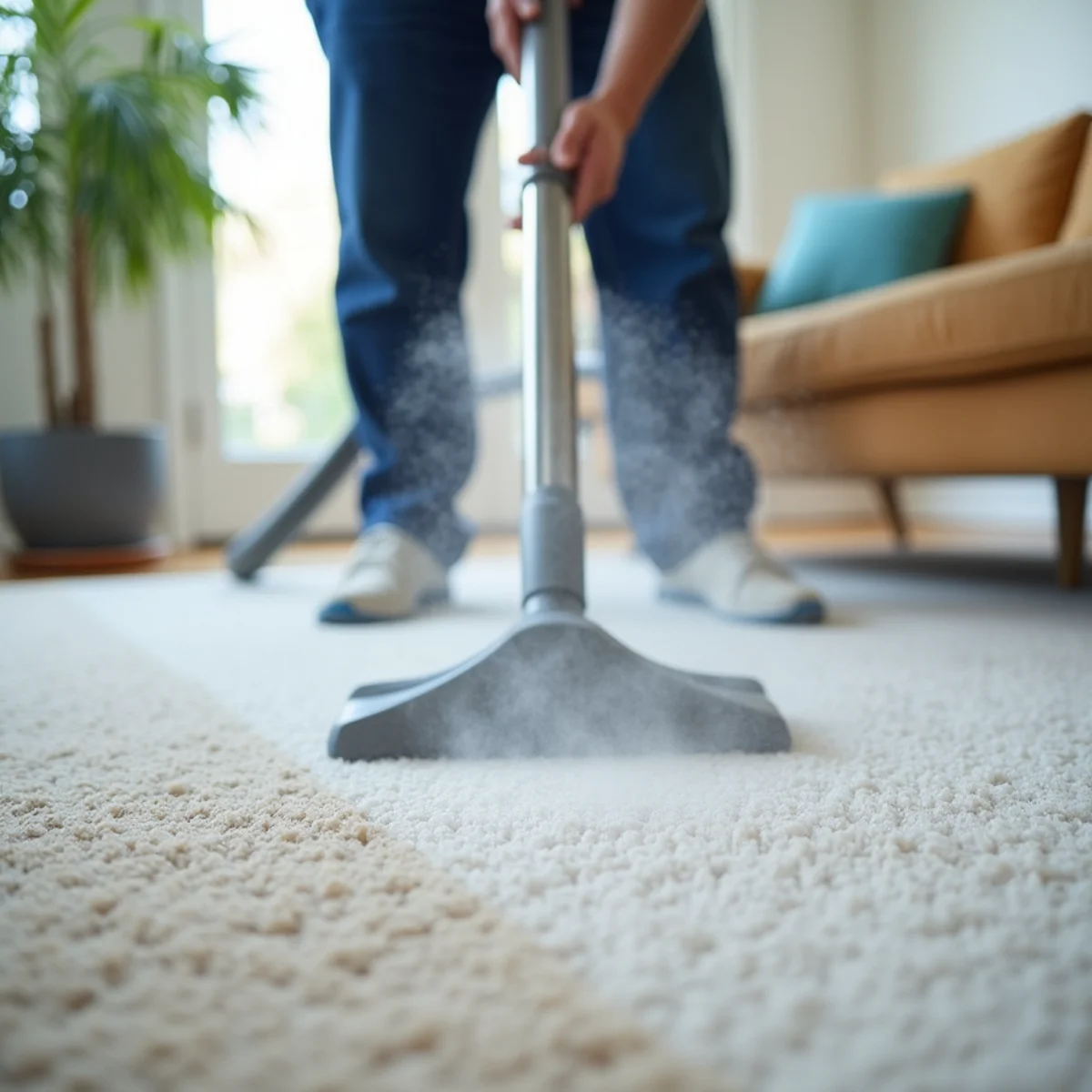
- Hot water extraction to flush out embedded grit, body oils, and ground-in soil
- Spot treatment of visible stains and set-in marks where they appear
- Eco-friendly, kid- and pet-safe deodorizing to neutralize musty coastal and pet odors
- Pile grooming to lift crushed fibers and restore an even, refreshed texture
- A low-moisture finish and walk-through so your stairs dry quickly and safely
- Optional Beach Sand & Salt Extraction and enzyme pet treatment add-ons for coastal and pet households
The Coastal Clean 5-Step Process for Stairs and Hallways
Every job follows our Coastal Clean 5-Step Process, adapted for the unique demands of stairs and hallways. It's how we get consistent, honest results without cutting corners on the parts of your home that need it most.
Step 1, Inspect: We walk the staircase and hallway with you, noting fiber type, traffic-lane darkening, pet areas, and any delicate spots. Step 2, Identify & Pre-Treat: We apply the right pre-spray for your carpet and soil level, then agitate it into the treads, risers, and edges so the solution can do its work before extraction.
Step 3, Deep Clean: Hot water extraction flushes the loosened grit, oils, and salt out of the pile rather than just moving it around. Step 4, Extract & Deodorize: We pull out as much moisture and soil as possible and neutralize odors with non-toxic deodorizer, which matters in closed-in stairwells where humid ocean air traps smells. Step 5, Dry, Groom & Walk-through: We groom the pile to stand it back up, set up airflow where helpful, and walk the finished stairs with you so you know exactly what to expect as they dry.
Hot Water Extraction Plus a Low-Moisture Finish
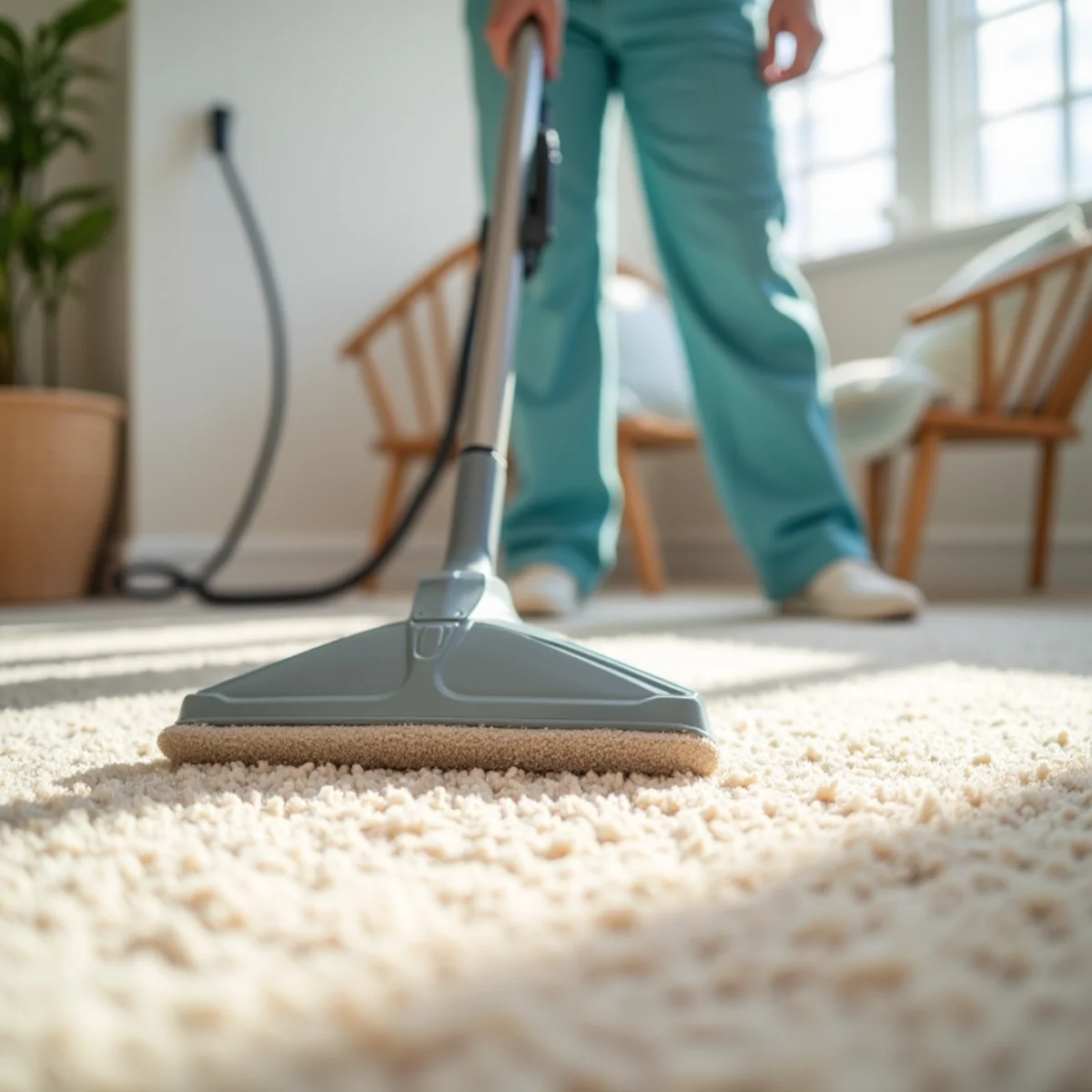
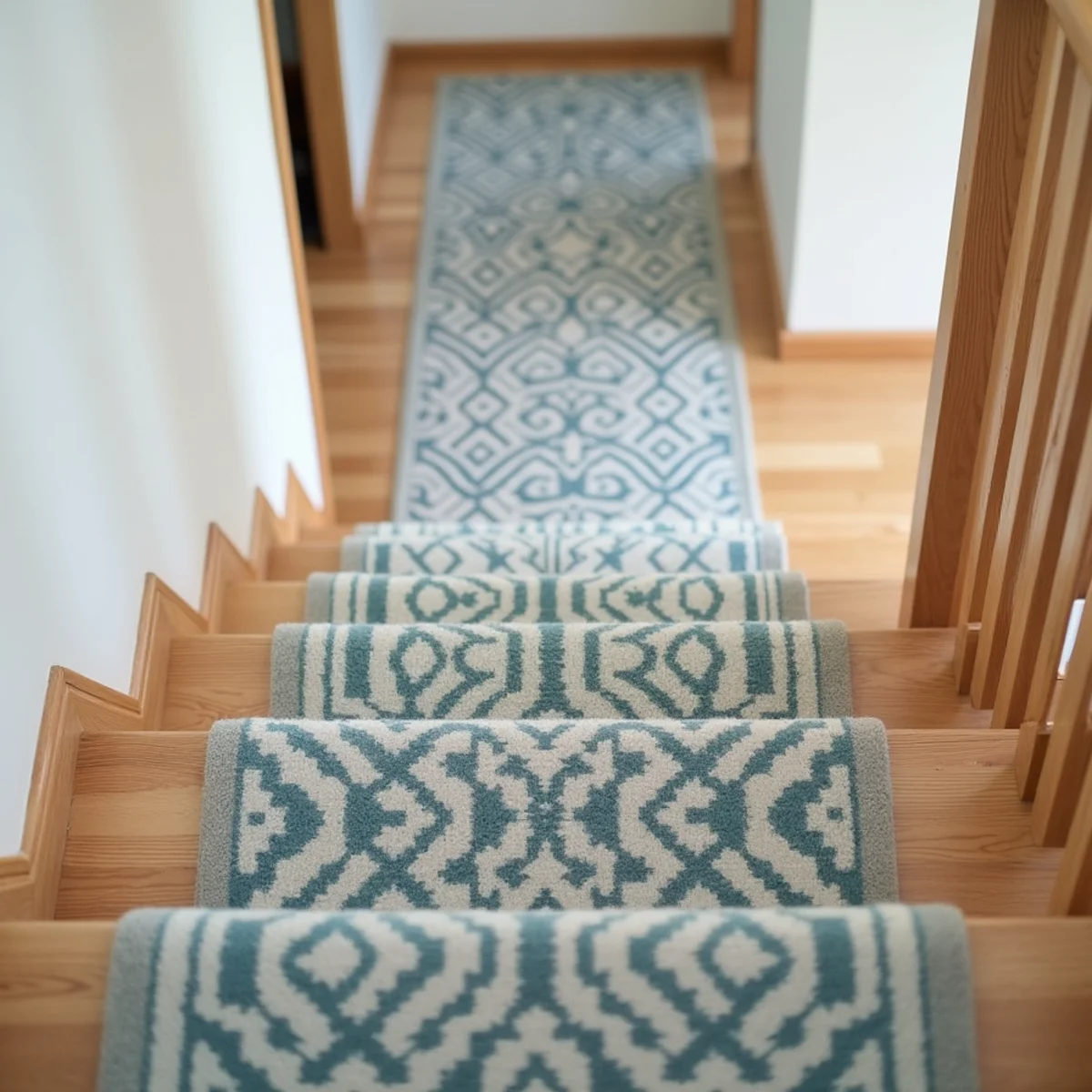
For high-traffic stairs and hallways, the cleaning method matters as much as the cleaner. We rely on hot water extraction, often called steam cleaning, because it reaches deep into the pile and rinses out the abrasive grit and oil that dull traffic lanes. Surface-only methods can make carpet look cleaner for a day while leaving the soil that causes wear behind.
We pair that deep clean with a low-moisture finish so your stairs aren't left soaked. That's important for two reasons in Oceanside. Less water means faster drying in our humid coastal air, and it reduces the slip risk where carpeted stairs meet hardwood or tile landings. Most carpets dry in about two hours, though drying time varies based on carpet type, airflow, humidity, and how heavily soiled the stairs were.
Restoring Dark Traffic Lanes and Crushed Pile
The number one question we hear about stairs is whether those dark center lanes can come back to life. In most cases, yes, at least significantly. What looks like permanent wear is usually a combination of trapped soil, oily residue, and flattened fibers. Once we extract the soil and oils and groom the pile upright, the carpet reflects light evenly again and the lane lightens, sometimes dramatically.
We're honest about the limits, though. If the fiber itself has been abraded down by years of sand and grit, or if dye has actually worn away, cleaning will improve the look but can't rebuild fiber that's gone. Many stains and dark lanes can be improved or removed depending on type, age, and material. After a thorough clean, we groom every tread so the pile stands evenly, which makes the whole staircase look fuller and more uniform.
Pet Stains, Odors, and Coastal Smells on Carpeted Stairs
Stairs and hallways are pet highways, so they collect dander, paw oils, and the occasional accident. Pet urine is especially stubborn because it soaks past the surface into the backing and padding, and ocean humidity can reactivate the odor on damp days. Masking it doesn't last.
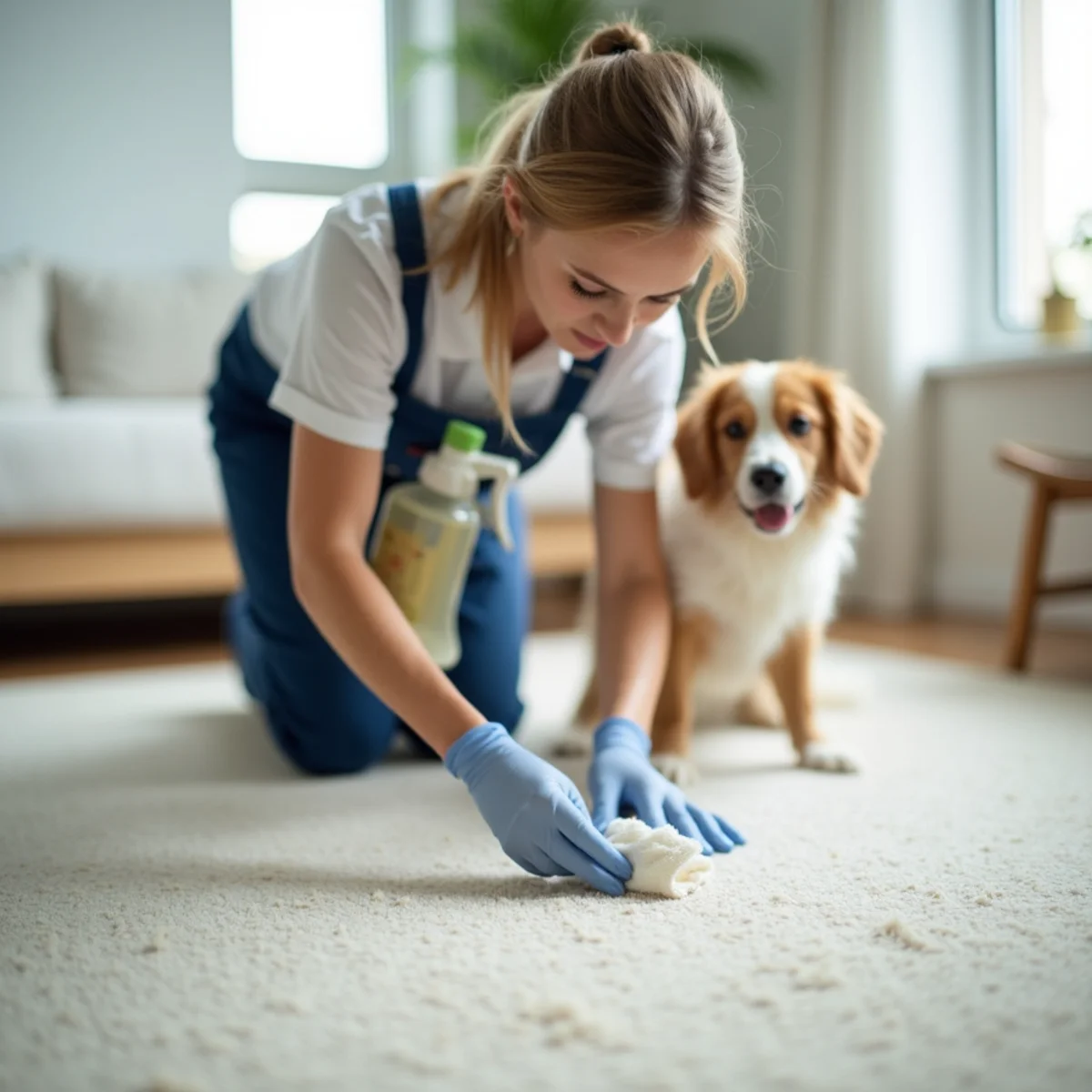
We use enzyme-based treatments that break down the source of pet odor rather than covering it, paired with our non-toxic deodorizing. For heavier pet situations we'll recommend a dedicated pet stain and odor add-on so we can treat the affected treads and hallway sections properly. The same eco-friendly, kid- and pet-safe approach handles the musty smells that settle into enclosed Oceanside stairwells, leaving the air fresher without harsh chemical residue on surfaces your kids and pets touch constantly.
How Often to Clean Stairs and Hallways, and Caring for Them Between Visits
Because they absorb the most traffic, stairs and hallways need attention more often than bedrooms. For an average Oceanside household, a professional deep clean every 6 to 12 months keeps traffic lanes from setting in. Homes with pets, kids, or a steady stream of beach visits often do best on the more frequent end, closer to every 6 months, since coastal sand grinds away at the fiber daily.
Between professional visits, vacuum stairs and hallways a couple of times a week, going slowly to pull grit out of the pile, and address spills quickly by blotting rather than rubbing. A walk-off mat at the door and a no-shoes habit dramatically cut the sand and salt reaching your stairs. The more grit you keep off the treads, the longer your carpet keeps its color and texture and the more those traffic lanes stay even.
Fiber Types and Why Cleaning Stairs Is Different
The best carpets for high-traffic stairs and hallways are durable fibers like nylon, which resists crushing and bounces back well, and many polyester blends. Wool is beautiful and resilient but delicate, so it needs gentler, specialized handling. Berber and other loop-pile carpets hide footprints but can snag, while cut pile shows traffic lanes more readily. We adjust our solutions, water temperature, and agitation to match your specific fiber and pile.
Stairs also demand more careful technique than open floors. Each tread and riser is a separate small surface, the nosing edges wear hardest, and we have to clean right up to spindles, balusters, and skirting without over-wetting the wood. That detailed, hand-guided work is exactly why stairs are cleaned and often priced separately from rooms, and why doing them right takes real care rather than a quick pass.
Serving Oceanside Rentals, Condos, and the Surrounding Coast
A huge share of Oceanside living happens in condos, apartments, and rentals, many of them two-story, and that's where stairs and hallways take the worst beating. Move-outs and rental turnovers almost always hinge on the condition of the stairs and entry hallway, the first thing a landlord or new tenant sees. We clean these high-impact zones to a deposit-protecting standard with same-week availability.
We're genuinely local, based at 4150 Oceanside Blvd, and we serve homes and rentals across Oceanside and the nearby coast, including Carlsbad, Vista, San Marcos, Encinitas, and the Camp Pendleton area. Military families relocating on short notice lean on us for fast, reliable move-in and move-out stair cleaning. With 56 real Google reviews and a 4.9 rating, owner Austin and lead technician Cesar show up on time and treat your stairs like they would their own.
What Stairs & Hallway Carpet Cleaning Solves
- Dark, matted traffic lanes running down the center of carpeted stairs
- Ground-in beach sand and salt grinding down stair and hallway fibers
- Crushed, flattened pile that makes high-traffic carpet look worn out
- Pet urine, dander, and odor soaked into stair treads and hallway runners
- Musty smells trapped in enclosed, humid coastal stairwells
- Filtration soiling and dark lines along stair edges and baseboards
- Move-out and rental-turnover stairs that need to pass inspection fast
- Slippery, over-wet stairs left behind by heavy-handed cleaning methods