How to Tell Your Tile and Grout Actually Needs a Pro
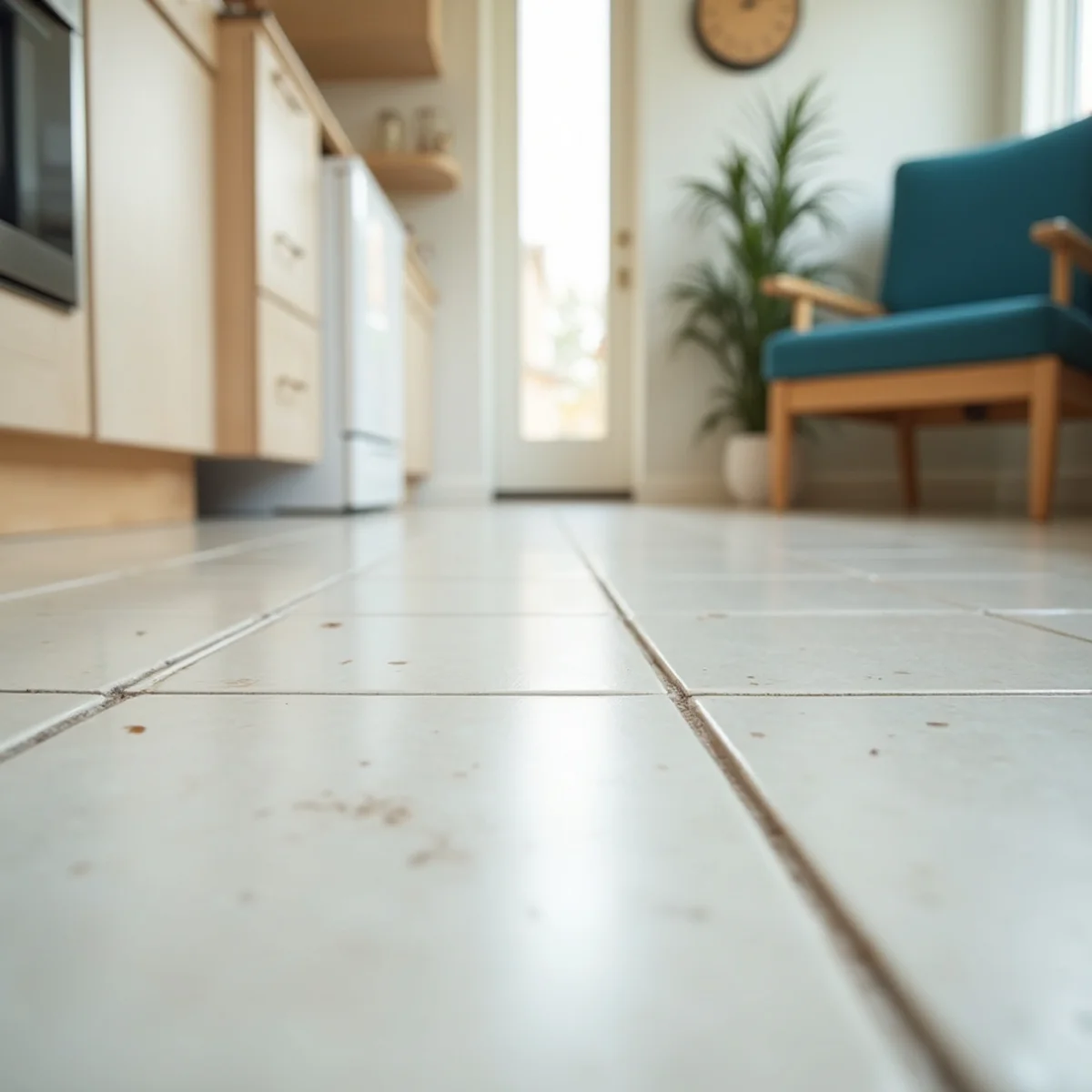
You can usually feel it before you can name it. The kitchen floor still looks faintly dingy right after you mop. The grout lines have gone two or three shades darker than the tile, even though the tile itself wipes clean. There is a hazy film in the entryway that catches the light, and the shower corners have a gray-green shadow that comes back within days of scrubbing. These are the signs that the dirt has moved past the surface, which is exactly where a mop stops working.
The clearest tell is contrast. New grout and old grout in the same room should be close in color. When the lines running through your busiest paths, in front of the sink, the stove, the bathroom door, look noticeably grayer than the grout under the cabinet toe-kick or behind the toilet, that color difference is ground-in dirt, not a stain in the tile. Hot water extraction is built to lift exactly that kind of buildup.
- Grout lines that are darker than the tile, especially in high-traffic areas and entryways
- A dull haze or film that returns soon after mopping
- Gray, pink, or green shadowing in shower tile and bathroom floor corners (often mildew)
- Gritty texture underfoot, common in Oceanside homes where beach sand gets tracked in
- Stuff a mop, a stiff brush, and elbow grease simply will not lift anymore
Why Grout Gets Dirty and Won't Come Clean on Its Own
Grout looks solid, but it behaves more like a hard sponge. It is porous and absorbent, full of tiny channels that pull in water, soap scum, cooking grease, and the fine grit that rides in on shoes and sandy paws. Every time you mop, you push some of that dirt down into those pores. The surface looks a little better, but the grime that settled below the surface stays put, and over months it darkens the whole line from the inside out.
Tile is the easy part. Glazed ceramic and porcelain are nearly nonporous, so a damp cloth handles most of what lands on them. The grout between is where the real cleaning lives, and it is also where coastal humidity does its quiet damage, feeding mold and mildew in the deeper pores of shower walls and bathroom floors. A household mop can only ride along the top. It cannot reach down, agitate the trapped soil loose, and flush it back out, which is the whole reason professional cleaning gets a different result.
What "Looking New Again" Realistically Means
Here is the honest version, because plenty of pages dodge it. On most floors, a thorough professional cleaning restores the grout to its true original color, sometimes startlingly so, because what you have been looking at for years was a layer of trapped soil, not the grout itself. When the dinginess is dirt, deep cleaning genuinely makes floors look new again, and the difference between one cleaned line and one untouched line is often dramatic.
But not every line is just dirty. Grout that has been permanently stained by dye, rust, or years of standing grime, or that has been etched and pitted by acidic cleaners, may not return all the way to factory color with cleaning alone. That is not a failure of the cleaning; it is the limit of what cleaning can do. In those cases the right fix is grout color sealing, a tinted sealer that resurfaces the lines in a uniform shade and protects them, or in worn spots, regrouting. A trustworthy tech will tell you honestly which bucket your floor falls into before any work starts, so you are paying for the result you will actually get.
How Professional Tile and Grout Cleaning Works, Step by Step
Knowing the steps tells you exactly what you are paying for, and why a mop can't match it. A professional visit is a sequence, not a single pass.
The result holds up because each step does a job the previous one set up. Pre-treatment loosens the bond between dirt and grout, agitation breaks it free, and high-pressure hot water extraction is what actually carries the soil out of the pores and off your floor, rather than smearing it around. With the eco-friendly, non-toxic solutions we use, there is no harsh chemical smell left behind and the floor is safe for kids and pets once it dries.
- Inspect and protect: walk the floor, identify tile type and grout condition, and protect baseboards and nearby surfaces
- Pre-treat: apply a cleaning solution to the grout lines and let it dwell so it can break down ground-in dirt, soap scum, and grease
- Agitate: work the lines with a brush so the loosened soil lifts up out of the pores instead of staying lodged in them
- Hot water extraction: a high-pressure, hot-water (steam) tool flushes the grout and rinses the tile, then vacuums the dirty water away in the same motion
- Rinse and extract residue: a clean-water pass removes any leftover solution so floors don't re-attract dirt
- Optional grout sealing: once the lines are clean and dry, a penetrating sealer goes on to protect the result
Hot Water Extraction vs. DIY Mopping, Scrubbing, and Baking Soda
DIY methods are not useless, they are just working at the surface. A mop spreads a thin film of cleaner and lifts only what is loose on top. Hand-scrubbing with a brush does more, and baking soda gives you a mild abrasive and a little odor control, but you are still cleaning the visible face of the grout while the soil deeper in the pores stays where it is. That is why a scrubbed floor can look better for a week and then fade right back.
Professional hot water extraction works differently on purpose. The combination of heat, a pre-treatment that has had time to break the dirt's grip, mechanical agitation, and high-pressure rinsing reaches down into the grout and then pulls the loosened soil back out with strong suction, so it leaves with the dirty water instead of resettling. Heat also helps with the mold and mildew that coastal humidity encourages. The short version: DIY cleans what you can see, extraction cleans what you can't, and that is the whole difference in how long the result lasts.
Why Sealing After Cleaning Keeps Floors Looking New Longer
Cleaning and sealing are two different jobs, and skipping the second one is why a lot of people feel like their grout gets dirty again too fast. Cleaning empties the pores. Sealing fills and shields them. A penetrating grout sealer soaks into the freshly cleaned lines and creates a barrier that slows how fast water, spills, and dirt can work their way back in. It does not make grout bulletproof, but it buys you real time, spills bead up long enough to wipe instead of soaking straight in.
There are two kinds worth knowing. A clear penetrating sealer protects the grout's existing color and is the usual choice right after a good cleaning. Color sealing goes a step further: it coats the lines in a uniform tinted layer, which both protects them and evens out grout that cleaning alone couldn't bring back to one consistent shade. If your grout looks clean but blotchy, color sealing is often the answer. Sealing is the single biggest factor in how long your floors keep looking new, which is why it is worth doing while the lines are clean and dry rather than waiting.
How Often Oceanside Floors Should Be Professionally Cleaned
For most homes, professional tile and grout cleaning every 6 to 12 months keeps floors from ever reaching the dingy stage that is hard to reverse. Once-a-year works well for low-traffic rooms and careful households. Bump it closer to every 6 months for kitchens, entryways, mudrooms, and main bathrooms, the areas that see the most feet, water, and grit.
Oceanside earns its own footnote here. Tracked-in beach sand is fine grit that acts like sandpaper in grout lines, and salt air plus coastal humidity keep shower and bathroom grout damp enough to feed mildew faster than inland homes deal with. Households with sandy-pawed dogs, or landlords turning over vacation rentals near Camp Pendleton, often do best on the shorter end of that range. A standing schedule almost always costs less over time than waiting until the grout is stained deep enough to need color sealing or regrouting.
What Tile and Grout Cleaning Costs, and What Drives the Price
We won't quote a number we can't stand behind sight unseen, because an honest estimate depends on your actual floor. What we can do is be transparent about what moves the price, so there are no surprises and no hidden fees. The biggest driver is square footage, more floor is more time. After that, condition matters: grout that has been neglected for years takes more pre-treatment and agitation than grout cleaned on a regular schedule.
Tile type factors in too. Glazed ceramic and porcelain are straightforward. Natural stone such as travertine, marble, and slate needs gentler, stone-safe methods and products, which can change the approach and the price. Add-ons like grout sealing or color sealing are priced on top of the clean, and they are genuinely optional, we will tell you whether your floor needs them or not. The best way to get a real number is a quick look at the space; we give a clear, itemized estimate before any work begins so you know exactly what you are paying for.
Safe DIY Maintenance Between Professional Visits
Good upkeep between cleanings makes the professional results last and is easy to do without damaging anything. The goal is to lift surface dirt before it gets pressed into the pores, and to keep moisture from sitting in shower and bathroom grout where it can grow mildew. None of this replaces a deep clean, but it stretches the time between them.
Just as important is what to avoid, because the wrong products quietly wreck grout and stone. Acidic cleaners, including vinegar and many bathroom and lime-scale products, etch grout and will dull or pit natural stone like marble and travertine. Bleach can lighten and weaken grout over time and is rough on sealers. Stiff metal brushes scratch tile and gouge grout. When in doubt, milder and gentler is almost always the safer call on tile and grout.
- Sweep, dust-mop, or vacuum often, especially in Oceanside homes, to clear sandy grit before it grinds into grout lines
- Wipe spills quickly so they don't have time to soak into porous grout
- Mop with a pH-neutral or mild cleaner and rinse with clean water so no film is left to attract dirt
- Squeegee or wipe down shower walls after use, and run a fan, to keep humidity from feeding mildew
- Avoid acidic cleaners and vinegar (they etch grout and stone), skip bleach, and never use stiff metal brushes
Tile Types We Clean and How Care Differs by Room
Different surfaces ask for different handling, and matching the method to the material is part of doing the job right. Glazed ceramic and porcelain tile are durable and take a thorough hot water extraction well. Natural stone, travertine, marble, and slate, is more delicate and reactive; it calls for stone-safe products and gentler technique, since the acidic or aggressive approaches fine on ceramic can etch or dull stone. Telling us your tile type up front, or letting us identify it on site, keeps everyone on the safe side.
Rooms differ too. Kitchen floors collect grease and food traffic, so pre-treatment does extra work there. Bathrooms, showers, and laundry rooms fight constant moisture, which is where mold and mildew set in and where sealing pays off most. Entryways and mudrooms are the grit gateway, the first place coastal sand lands. Healthy tile and grout is part of a clean home overall; if you are tackling floors, it is a natural time to think about your carpet and any pet stains and odors too, so the whole house lands in the same fresh place.
Frequently Asked Questions
Can dirty grout be restored to look like new?
Why won't my grout come clean no matter how hard I scrub?
How often should you have tile and grout professionally cleaned?
Should you seal grout after cleaning it?
Does steam cleaning damage grout?
How long does tile and grout take to dry after professional cleaning, and is it safe for kids and pets?
Need Help With Your Carpets or Rugs?
Always Rug & Upholstery Cleaning serves Oceanside and nearby San Diego County.