
Why Your Sofa Hides More Than It Shows
Your couch quietly absorbs everything that happens around it: body oils from daily use, skin cells, food crumbs, spilled drinks, pet dander, and in Oceanside, a steady dusting of beach sand and salt-laden air. Most of that settles below the surface, into the foam padding and the base of the fibers where a vacuum can't reach. By the time a sofa looks dirty on top, it's usually been holding embedded soil for months.
That's the catch with upholstery. The fabric you see is only the outer layer. Underneath sits cushion foam that acts like a sponge, soaking up oils and moisture and trapping fine particles. Surface cleaning, vacuuming, spot-treating, and store-bought sprays, only ever touches the top. The ground-in soil and body oils stay put, which is exactly why a couch can look passable but still feel grimy and smell stale.
Knowing the real warning signs helps you act before that buildup becomes permanent. Below are seven signs that your sofa or upholstery is ready for professional cleaning, plus how to tell when a DIY pass is genuinely enough.
The 7 Signs Your Upholstery Needs Professional Cleaning
These are the sofa upholstery cleaning signs we see most often in Oceanside homes. One on its own may just call for a good vacuum and a spot-clean. Two or three together usually mean the soil has reached the padding, and that's a job for hot water extraction or a low-moisture deep clean.
- Odors that return after cleaning. You deodorize, it smells fresh for a day, then the musty or sour smell creeps back. That's a sign the source, oils, spills, or moisture, is living in the foam, not the fabric.
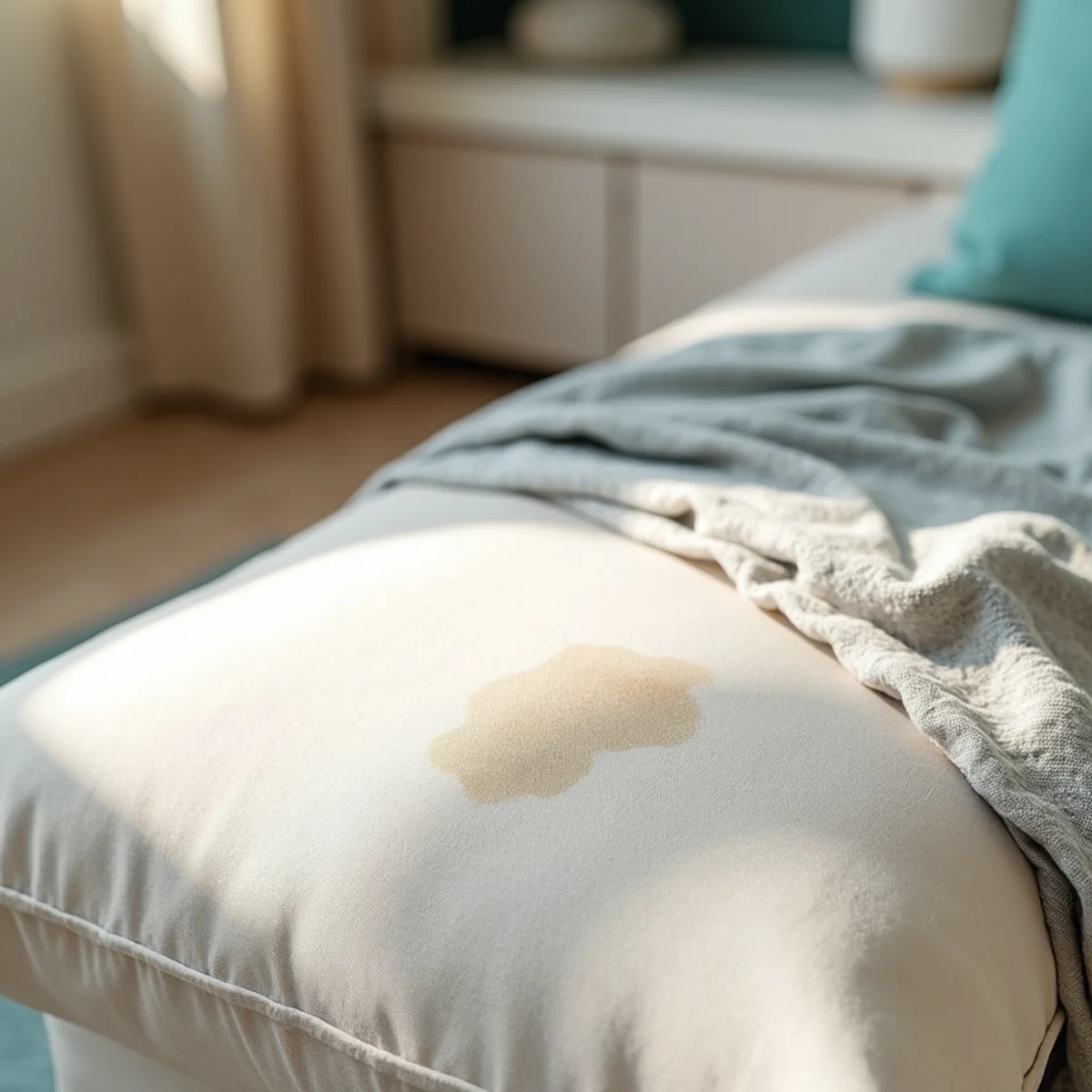
- Stains that reappear or wick back. A spot you cleaned looks gone, then resurfaces a few days later as a faint ring. This is stain wicking: residue deep in the cushion travels back up to the surface as it dries.
- Dull, discolored, or shiny fabric. Upholstery that's lost its color depth, or developed a slick sheen on armrests and seat cushions, is coated in body oils and ground-in soil that ordinary cleaning won't lift.
- Indoor allergy or respiratory symptoms that flare at home. Sneezing, congestion, or itchy eyes that ease when you leave the house can point to dust mites, pet dander, and allergens settled in your furniture.
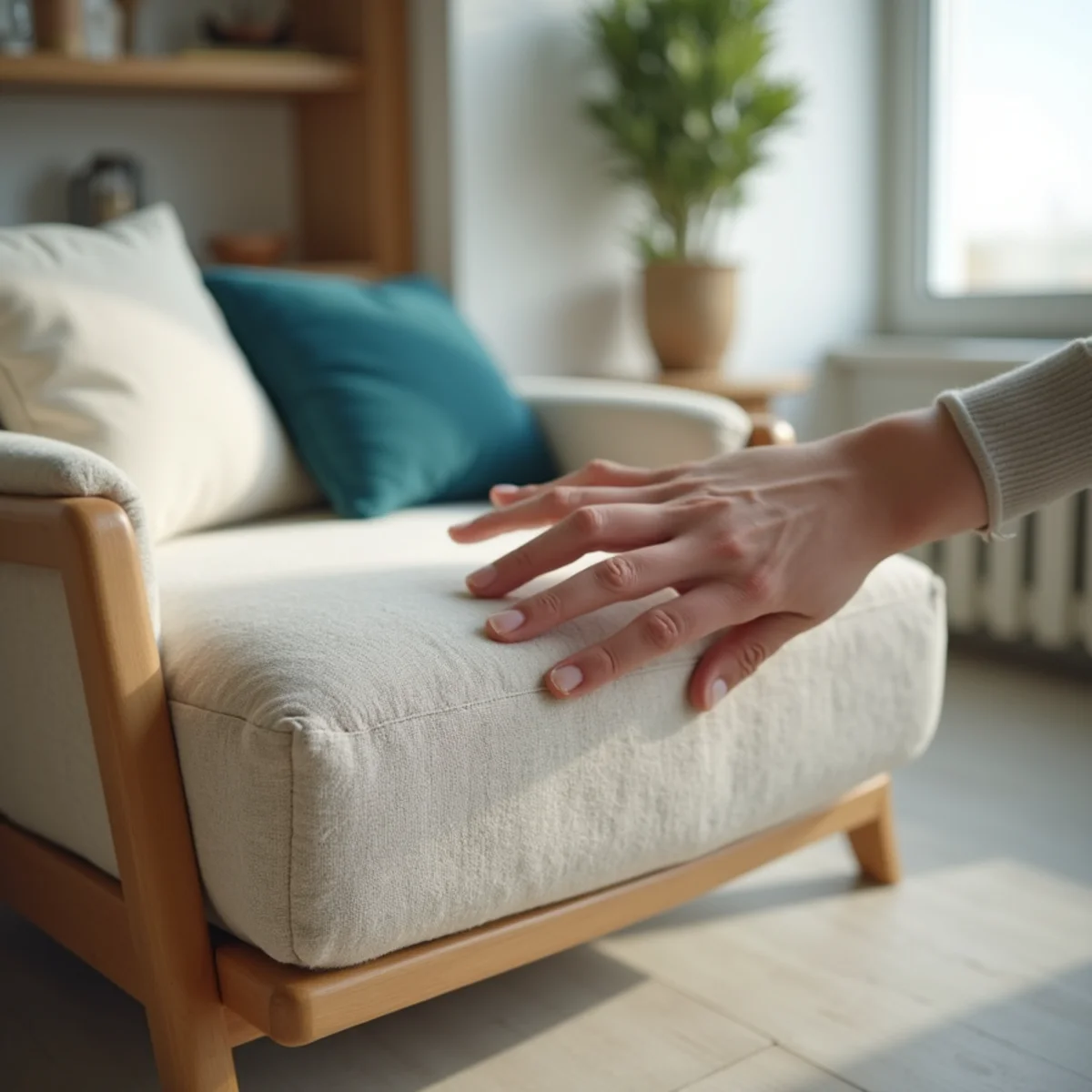
- A sticky or greasy feel. Run your hand across the seat. If it feels tacky or slightly oily, that's accumulated skin oil and residue from sprays, both of which attract more dirt over time.
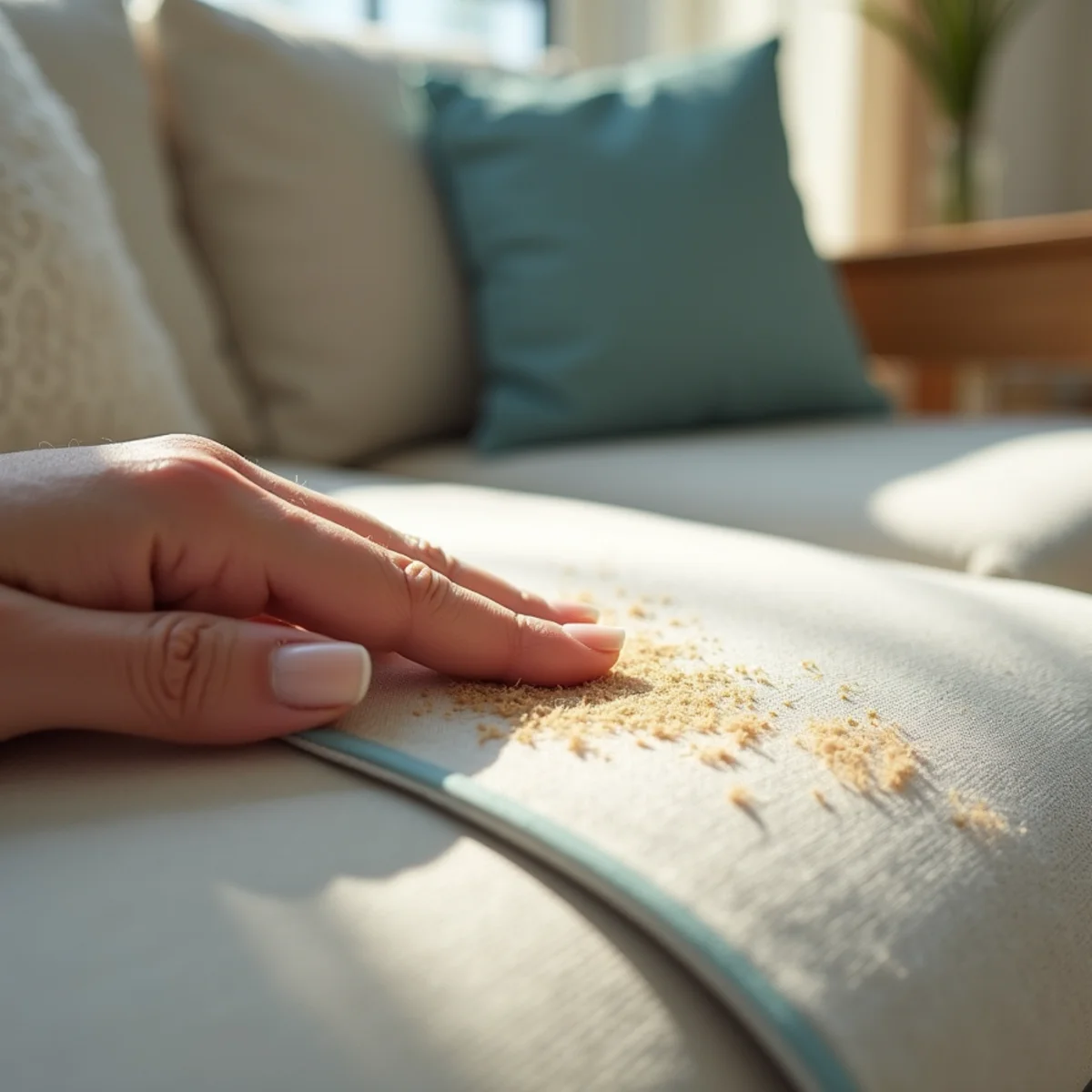
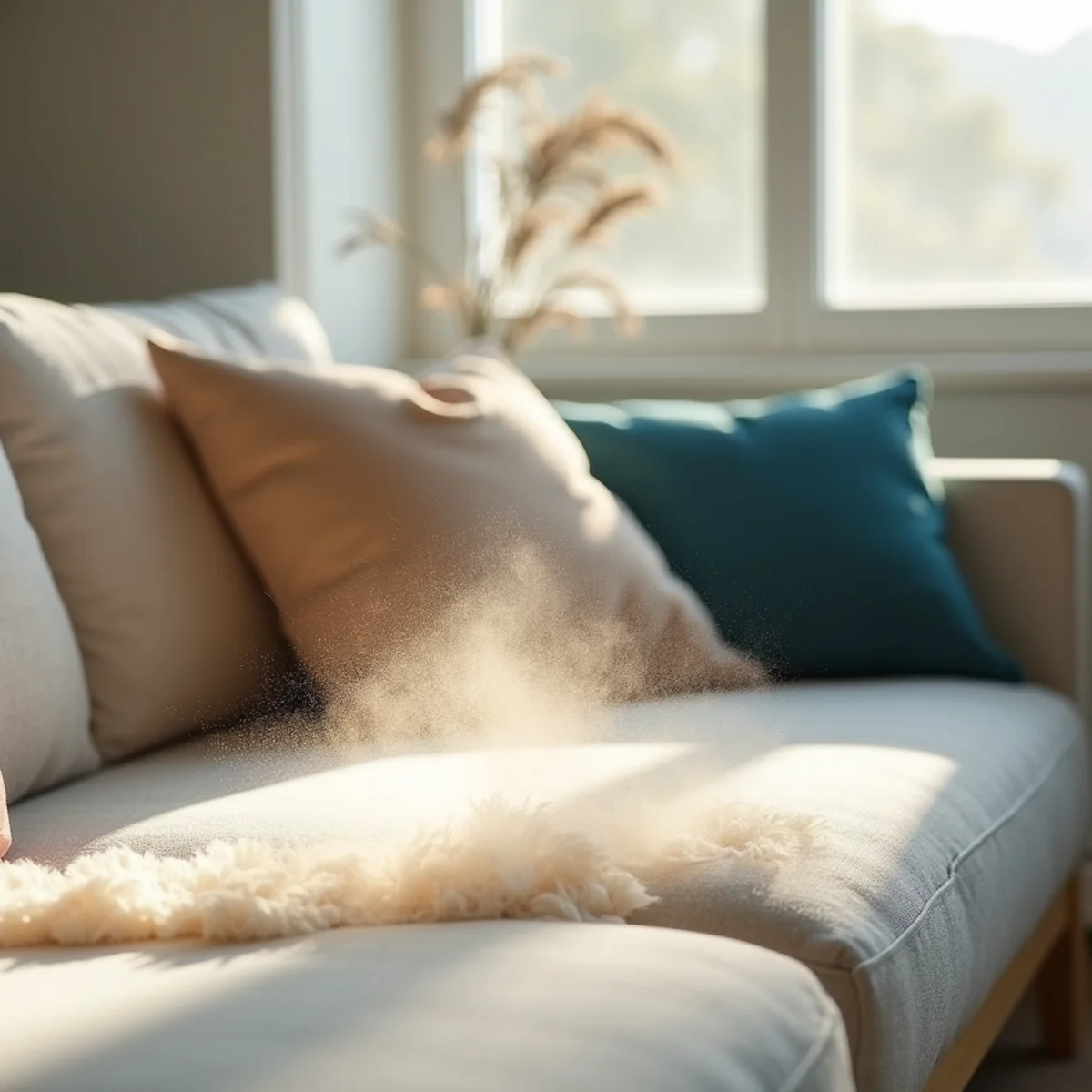
- A puff of dust when you pat the cushions. Clap a cushion in good light. A visible cloud means fine soil has built up well past what your vacuum is removing.
- Lingering pet smells and dander. If you can smell your dog or cat on the couch even after cleaning, urine, oils, and dander have likely reached the padding and need proper extraction.

Why Vacuuming and Sprays Don't Fix the Real Problem
Vacuuming is essential maintenance, but it removes loose surface debris, not the oils and fine soil bonded to the fibers. Store-bought upholstery sprays can mask odors and lighten a fresh spill, yet most leave behind a sticky residue that actually attracts more dirt. That's why a spot you treated can look worse a month later, the cleaned area becomes a magnet for new soil.
The deeper issue is the padding. Fabric fibers and foam padding hold onto body oils, sweat, and spilled liquids that soak straight through the surface. Spot cleaning never reaches that layer. When you clean only the top and the underlying residue stays, two things happen: odors return as the foam stays contaminated, and stains wick back up as moisture from your cleaning carries old residue to the surface.
Professional deep cleaning works differently. Instead of wiping the surface, hot water extraction flushes warm cleaning solution into the fabric and immediately vacuums it back out, pulling embedded soil and oils with it. Low-moisture methods do similar work with less water for delicate fabrics. Either way, the goal is to remove the residue, not just rearrange it.

Decoding Your Upholstery Cleaning Code: W, S, W/S, and X
Before anyone, you or a pro, cleans your sofa, check the manufacturer's cleaning code. It's usually printed on a tag under a cushion or along the base. Using the wrong method is one of the most common ways furniture gets ruined, causing shrinkage, water rings, or color bleed. Here's what each code means:
If your tag reads S or X, that's a strong signal to skip the DIY attempt. Solvent-only and vacuum-only fabrics, along with many natural-fiber and delicate weaves, react badly to water and pressure. Color fastness matters here too: some dyes bleed when wet, and the wrong approach can leave you with a permanently discolored cushion. A professional checks colorfastness in a hidden spot before cleaning the whole piece.
- W (Water-based): Safe to clean with water-based solutions. Most durable choice for hot water extraction.
- S (Solvent-only): Clean with a water-free, solvent-based product only. Water can cause rings, shrinkage, or color bleed on these fabrics, so they call for dry or low-moisture methods.
- W/S: Both water-based and solvent cleaners are safe, which gives a technician flexibility on method.
- X: Vacuum only. No water, no solvent. These delicate fabrics should be cleaned by a professional with specialized low-moisture equipment, never with household products.
The 30-Second Hidden Underside Test
Want to know how dirty your sofa really is? Do the hidden underside test. Find a spot that never gets used, the back of a cushion that always faces down, the fabric tucked under an armrest, or the underside of a removable seat. That area has been protected from daily soil, light, and oils, so it shows you the fabric's true original color.
Now compare it side by side with a cushion you sit on every day. If the used area looks noticeably darker, grayer, or yellowed next to the hidden one, that difference is accumulated soil and body oil, not just normal aging. It's the clearest 30-second way to see how much your eyes have adjusted to gradual buildup.
Most people are surprised. A couch they thought was only lightly used often reveals a dramatic gap. If yours does, that's a reliable cue it's time for a deep clean rather than another surface pass.
DIY vs. Professional: When Each One Makes Sense
DIY upholstery care is genuinely enough for routine upkeep. Regular vacuuming, blotting fresh spills right away, and gentle spot-cleaning on a W-code fabric will keep an everyday couch in good shape between deep cleans. The key with spills is to blot, never rub, and to test any product in a hidden area first.
Call a professional when the situation goes beyond surface maintenance. That includes deep, set-in soil; old or set stains; any delicate or S-code and X-code fabric; heavy-use furniture in a busy household; and anything water-damaged or smelling of mildew. These cases need proper extraction, correct solutions for the fabric type, and controlled drying, which is hard to get right with rental equipment.
On stains specifically, it's worth being honest: many stains can be improved or removed depending on type, age, and material, but no one can promise that every stain disappears. A good technician will tell you upfront what's realistic for your specific fabric and spill, rather than overpromising.
How Often Should You Deep Clean a Sofa?
There's no single answer, it depends on how hard your furniture works. As a general guide, plan a professional deep clean every 6 to 12 months for most households, then adjust based on what's in your home.
In Oceanside, lean toward the shorter end of these ranges. Coastal conditions speed up wear, which we'll get into next. Between professional cleans, vacuum weekly and treat spills the day they happen, that maintenance is what keeps the 6-to-12-month rhythm working.
- Homes with pets: Every 6 months. Pet dander, oils, and the occasional accident build up fast, and odors reach the padding quickly.
- Homes with kids: Every 6 to 9 months. Snacks, spills, sticky hands, and constant use add up, especially on a main family couch.
- Busy or high-traffic furniture: Every 6 to 9 months for the sofa everyone gravitates to, even if other pieces need it less often.
- Low-traffic households: Every 12 months is usually plenty for a formal living room or guest-room piece that sees light use.
Coastal Oceanside Factors That Speed Up Upholstery Wear
Living near the water is wonderful for life and tough on furniture. A few coastal realities make Oceanside upholstery soil faster and smell sooner than it would inland.
Beach sand is the quiet culprit. Fine grains ride in on clothes, towels, and paws, work down into the fabric, and act like sandpaper every time someone sits down, grinding at fibers from the inside. Our Beach Sand and Salt Extraction work is built around pulling that abrasive grit out before it wears the fabric thin.
Salt air and humidity do the rest. Salt-laden moisture settles into fabric and holds dampness, and the marine layer keeps indoor humidity high, which slows drying and encourages mildew and that musty coastal smell. Add pets and the open-window, indoor-outdoor lifestyle so many Oceanside homes enjoy, and upholstery simply collects more, faster. It's also why vacation rentals and Camp Pendleton-area homes with frequent turnover tend to need cleaning more often than a quiet inland living room.

What Professional Cleaning Involves, and Eco-Friendly Solutions
A professional upholstery cleaning starts with inspection: checking the cleaning code, identifying the fabric, and testing colorfastness in a hidden spot. From there, the technician chooses the right method, hot water extraction for durable W-code fabrics, or a low-moisture approach for delicate, microfiber, or natural-fiber pieces that can't take much water.
The clean itself loosens and flushes out embedded dirt, body oils, and allergens, then extracts the solution thoroughly so very little moisture is left behind. Good extraction is what makes the difference between a couch that dries soft and one that stays damp and smells worse than before. For pet issues, proper deodorizing targets the source of the odor rather than just covering it.
Because this is furniture you sit and nap on every day, we use eco-friendly, non-toxic solutions that are safe for kids and pets. That matters: you don't want harsh residues on the surfaces your family rests against. Non-toxic cleaning also tends to leave less sticky residue, which means the fabric stays cleaner longer.
Drying Time and Protecting Upholstery Between Cleanings
After a professional clean, most upholstery is dry and ready to use in a few hours, often about 2 hours with good airflow, though drying time varies based on fabric type, the method used, humidity, and how soiled the piece was. Oceanside's coastal humidity can extend that, so running a fan or the AC and cracking a window helps the fabric dry faster and fresher. Low-moisture methods generally dry quicker than full extraction.
To protect your investment between cleanings, vacuum weekly to lift sand and surface soil before it grinds in, and blot spills immediately instead of rubbing them. Rotate and flip cushions so wear spreads evenly, keep furniture out of constant direct sun to limit fading, and shake out throws and pet blankets regularly. A fabric protector applied after cleaning can also give you a window to catch spills before they set.
If you've spotted two or more of the seven signs above, or your hidden underside test revealed a real color gap, your sofa is telling you it's ready. A timely deep clean not only freshens the room, it extends the life of furniture that, especially near the coast, takes more of a beating than you might think.
Frequently Asked Questions
How do I know if my couch needs professional cleaning?
How often should you get your upholstery professionally cleaned?
Why do stains keep coming back on my sofa after I clean it?
What do the W, S, W/S, and X codes on my furniture mean?
Can professional cleaning remove old stains and smells from a sofa?
How long does a sofa take to dry after professional cleaning?
Need Help With Your Carpets or Rugs?
Always Rug & Upholstery Cleaning serves Oceanside and nearby San Diego County.